Stop leaving valuable web traffic on the table. Our guide to Image SEO reveals how to transform your visual content into a powerful engine for growth. Learn the critical steps of alt text optimization and technical best practices to make your images discoverable. We provide a clear framework to boost your rankings in Google Images and enhance user experience. Unlock a consistent stream of organic traffic by making your visuals work as hard as your text.
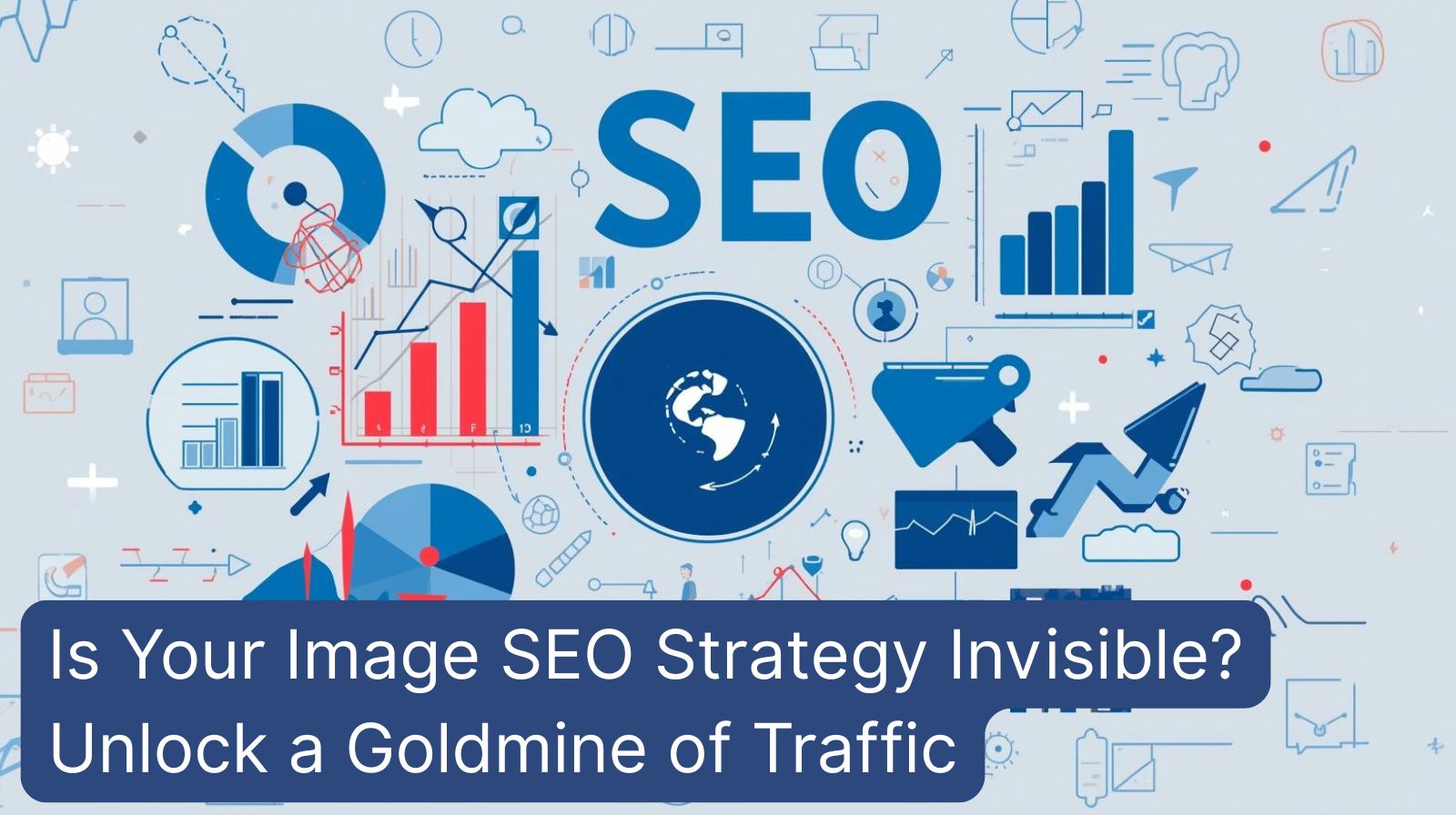
You've invested in stunning visuals for your website and blog. Your infographics are insightful, and your product photos are crisp. Yet, that traffic boost you expected from visual SEO remains elusive. The problem isn't your visuals—it's likely that they're virtually invisible to Google. In today's digital landscape, where users crave engaging content and search engines prioritize experience, ignoring image SEO is like leaving money on the table. This post will demystify the process, giving you a clear, actionable framework to transform your images from decorative elements into powerful traffic-driving assets.
Let's start with the basics. Image SEO (often grouped under the broader term visual SEO) is the practice of optimizing the images on your website so that search engines can both find them and understand what they represent.
The ultimate goal is to rank in Google's Image Search results and, increasingly, to enhance your overall page relevance for standard web searches. It involves a combination of technical optimization and descriptive context.
Why should you dedicate time to optimizing your images? The benefits are substantial and directly impact your bottom line.
Failing to optimize your visual content comes with significant missed opportunities and potential risks.
So, what does the actual work of image SEO look like? It's a systematic process focused on a few key areas.
Not every image needs the same level of attention. Use this bulleted list to prioritize your efforts.
The most advanced visual SEO strategy isn't just about technical optimization. It's about creating a symbiotic relationship between your text and your images.
Treat your images as standalone pieces of content. An infographic should be embedded with a code that allows others to share it (linking back to you). A product image should be part of a gallery with unique alt text for each view. Furthermore, consider creating a dedicated "Visual Sitemap" or "Image Gallery" page to give search engines a centralized hub to crawl and index your best visual assets. This hybrid approach maximizes both discovery and engagement.
Image SEO is no longer an optional "add-on"; it's a fundamental component of a modern SEO strategy. The question isn't whether you can afford the time to do it, but whether you can afford the traffic you're missing by ignoring it.
For e-commerce sites, alt text optimization for product images is non-negotiable. For content marketers, optimizing infographics and blog images is key to expanding reach. By following the framework above, you can ensure your valuable visual content works as hard as your written copy, driving sustainable organic growth.
11/25/2025

11/25/2025

11/25/2025
.jpg)
12/23/2025
11/24/2025
Charlottenburg District Court; HRB 273096 B; Tax ID: 29/262/32902
Managing Director: Adil Sunil | Berlin, Germany
🇩🇪 GDPR Compliant
🔒 SSL Encrypted
⚡ Carbon Neutral Hosting