Introduction
You've built a beautiful, functional website, but it's not showing up in search results. You're pouring effort into content, yet your competitors consistently rank higher. The problem isn't always a lack of effort—it's often a misdirected strategy. At the heart of every successful digital presence lies a clear understanding of SEO types, specifically the two pillars of search engine optimization: on-page SEO and off-page SEO. But which one deserves your immediate focus and resources? This isn't just an academic question; it's a critical business decision that impacts your visibility, traffic, and revenue. Let's demystify these concepts and build a winning strategy.
Defining the Two Pillars of SEO
Before we dive into the comparison, let's establish clear definitions for these core SEO types.
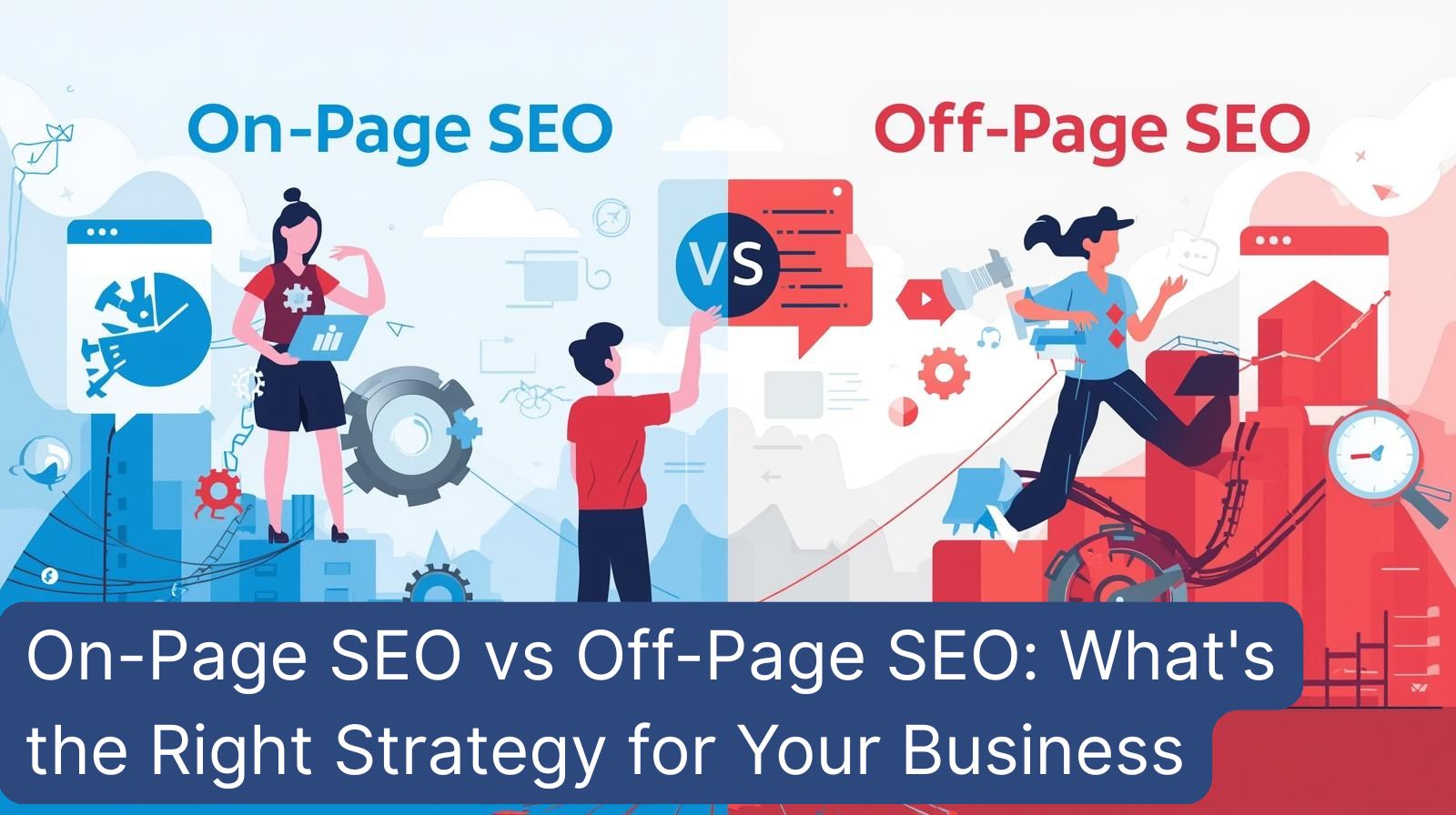
- On-Page SEO: This refers to all the optimization actions you take within your own website. It's everything you have direct, full control over. Think of it as optimizing your "digital storefront" for both search engines and human visitors. This includes your content, HTML source code, and technical setup.
- Off-Page SEO: This encompasses all activities that happen outside your website that influence your rankings. It's primarily about your website's reputation and authority in the eyes of Google. The most famous factor here is link building, but it also includes social signals, brand mentions, and online PR.
On-Page SEO: Mastering Your Domain
On-page SEO is the absolute foundation. You cannot build a skyscraper on sand, and you cannot rank without solid on-page elements.
- Complete Control: You have 100% authority over every aspect of your on-page SEO. From tweaking meta tags to improving content, you can implement changes instantly without relying on others.
- Clear User & Search Engine Signals: Properly optimized pages clearly signal their topic to Google. Using keywords in titles, headers, and content helps crawlers understand and index your pages correctly.
- Enhanced User Experience (UX): Modern on-page SEO is synonymous with a good user experience. Fast loading speeds, mobile responsiveness, and well-structured content keep visitors engaged and reduce bounce rates—a positive ranking signal.
- Direct Impact on Conversions: A well-optimized page doesn't just rank well; it converts visitors into customers. Clear calls-to-action, readable content, and intuitive navigation are all part of on-page best practices.
The Case Against On-Page SEO: The Limitations
While essential, on-page SEO alone is not a silver bullet.
- It's a Qualification, Not a Guarantee: Optimizing your page is like making a perfect resume. It qualifies you for the job (top rankings), but it doesn't get you hired against thousands of other qualified candidates. You need external validation.
- Limited Authority Building: You can tell Google how great your content is all day long, but until other reputable sites vouch for you, your claims of authority are self-proclaimed. Off-page SEO provides that third-party validation.
- Diminishing Returns: After you've covered the core basics (e.g., title tags, headers, mobile-friendliness), further on-page tweaks often yield smaller ranking gains compared to acquiring a powerful backlink.
Off-Page SEO: Building Digital Authority
Off-page SEO is how you build a reputation that Google trusts. It's the word-of-mouth of the digital world.
- The Primary Driver of Authority and Trust: Search engines view backlinks from high-quality sites as votes of confidence. The more votes you have from reputable sources, the more trustworthy and authoritative your site appears, leading to higher rankings for competitive terms.
- Increases Brand Awareness and Reach: Successful off-page SEO activities, like content promotion or digital PR, put your brand in front of new audiences on other websites and social platforms.
- Drives Referral Traffic: A link from a popular industry blog doesn't just pass "link juice"; it can send a stream of targeted, relevant traffic directly to your site.
- Levels the Competitive Playing Field: For highly competitive industries, a strong off-page SEO profile is non-negotiable. It's often the key differentiator between two otherwise well-optimized sites.
The Case Against Off-Page SEO: The Challenges
Building authority is powerful, but it comes with significant hurdles.
- Lack of Direct Control: You cannot force other websites to link to you. This process requires outreach, relationship-building, and creating exceptional content worth linking to—all of which are time-consuming and uncertain.
- High Resource Intensity: A successful off-page SEO strategy often demands substantial resources, whether it's the time of your marketing team or the budget for a specialized agency or PR campaign.
- Risk of Penalties: Engaging in unethical link-building practices (like buying links) can lead to severe Google penalties that can devastate your organic traffic. This makes it a potentially risky arena.
How to Choose: 5 Key Questions to Ask
Your ideal mix of on-page and off-page SEO depends on your unique situation. Ask yourself these questions:
- What is the current state of my website? If your site has technical issues, thin content, or poor UX, prioritize on-page SEO immediately.
- What is my industry's competitiveness? In a low-competition niche, strong on-page SEO might be enough. In a crowded field, you must invest in off-page SEO to compete.
- What is my budget and resource allocation? On-page SEO is more predictable and cost-effective to start. Off-page SEO often requires a larger, long-term investment.
- How old and established is my domain? New websites must first build a solid on-page foundation before search engines will "trust" them enough to value their off-page signals significantly.
- What are my competitors doing? Analyze their backlink profiles and on-page content. If they have thousands of backlinks, you know where the battle is.
The Smart Middle Ground: A Hybrid Approach
The most successful SEO strategies don't choose one over the other; they integrate both in a powerful, self-reinforcing cycle. Think of on-page SEO as creating a remarkable product and off-page SEO as your marketing and PR campaign.
Here's the synergy: You invest in on-page SEO by creating a definitive, well-optimized guide on a topic. This high-quality piece of content becomes your "linkable asset." You then shift to off-page SEO, promoting this asset to influencers and publishers. When they link to it, your authority grows, boosting the rankings of that page and your entire site. This success funds and justifies the creation of more high-quality content, restarting the virtuous cycle.
Conclusion
So, which is more important: on-page SEO or off-page SEO? The answer is both, but in the right order.
- Start with On-Page SEO: It is your non-negotiable foundation. Ensure your website is technically sound, user-friendly, and filled with high-quality, optimized content. You control this 100%.
- Scale with Off-Page SEO: Once your foundation is solid, build upon it with a sustained authority-building campaign. Seek quality backlinks and brand mentions to signal to Google that you are a trusted leader in your space.
Ignoring on-page is like having a great product with a broken storefront. Ignoring off-page is like having a perfect storefront in a hidden alley with no sign. You need both to win.
Ready to dominate the search results? 👉 Book your free strategy session with our experts at Digital Solution Lab today. Let's find your solution together.

.jpg)