DSL
Web Development

Web Design for Niche Industries in Germany: Real Estate, Fitness, SaaS

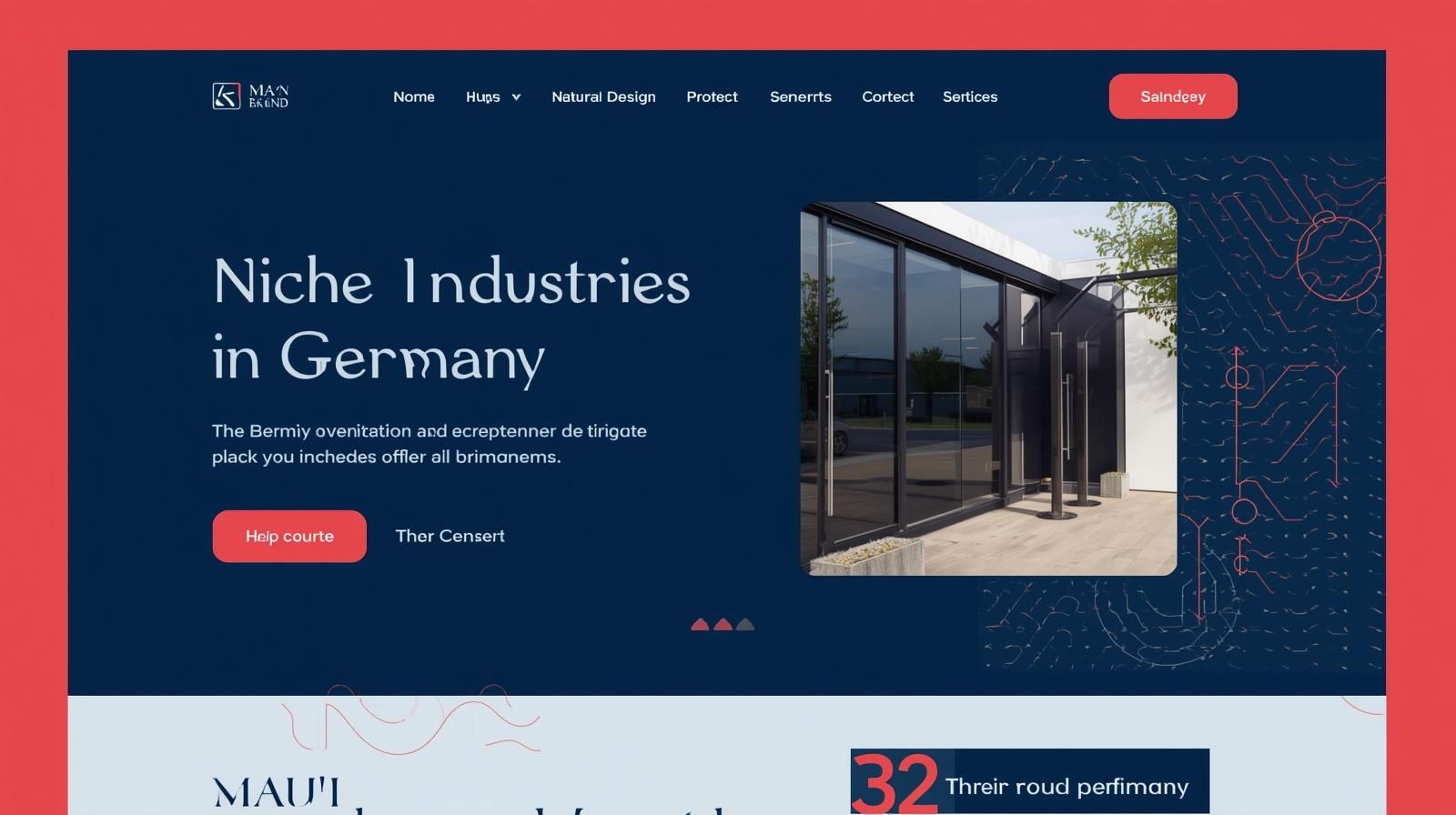
Generic websites blend in; niche web design stands out. For German industries like Real Estate, Fitness, and SaaS, a tailored website is your key competitive advantage. It builds trust through deep industry understanding, integrates seamlessly with essential local tools, and drives growth by speaking directly to your ideal client's needs. Move beyond templates to a strategic digital asset designed for your specific market. This is the power of industry-specific web design in Germany.
Digital Solution Lab
1/16/2026
2 days ago
Web Design for Niche Industries in Germany: Real Estate, Fitness, SaaS

Niche Web Design in Germany: How to Build Industry-Specific Websites for Real Estate, Fitness, and SaaS?

Introduction

Imagine two websites selling premium gym memberships. One is generic, using stock photos of people smiling on treadmills. The other immediately immerses you in the local fitness scene in Berlin or Munich, speaks to the specific goals of German professionals, and integrates with common booking apps. Which one wins the client? In today's competitive German market, a generic online presence is no longer enough. For businesses in specialized sectors, your website must be a precision tool, not a blunt instrument. This is the core power of niche web design. We'll explore why a one-size-fits-all approach fails for industries like Real Estate, Fitness, and SaaS in Germany and how industry-specific websites become your greatest asset for trust, conversion, and growth.

Defining Niche Web Design

Let's clarify the terms. Niche web design is the strategic process of creating a website that is deeply tailored to the unique needs, behaviors, and language of a specific industry or target audience. It moves beyond aesthetic templates to solve concrete business problems.

An industry-specific website is the outcome. It's a digital platform where every element—from structure and content to functionality and user journey—is optimized for a particular sector's customers. In the context of web design in Germany, this also requires a nuanced understanding of local compliance (like data protection/GDPR), cultural preferences, and market specifics.

For a Generic, Template-Based Website

For many new or budget-conscious businesses, a standard template seems like a logical starting point.

  • Lower Initial Cost & Faster Launch: Pre-built themes are inexpensive and can get you online in days.
  • Simplicity: The decision-making process is simplified. You pick a design you like, not one you have to strategize.
  • Familiarity for the Developer: Many agencies can work quickly with popular templates, reducing development time.

The Drawbacks of a Generic Approach

However, the shortcomings become painfully clear when you need the website to actually perform and compete.

  • Fails to Address Specific User Needs: A SaaS buyer's journey is radically different from someone looking for a rental apartment. A generic site forces all users down the same path.
  • Weakens Brand Differentiation: You end up looking like every other competitor who used a similar template. In niches, standing out is everything.
  • Poor Integration with Industry Tools: It likely won't seamlessly connect with your essential CRM, booking software, property portals, or payment systems used in your German market.
  • Ineffective SEO: It lacks the specialized content structure and keyword focus needed to rank for valuable, niche-specific searches in Germany.

For Industry-Specific Niche Web Design

This is where targeted web design for niche industries transforms your digital presence from a cost into an investment.

  • Builds Immediate Trust & Expertise: A site that speaks the precise language of your industry (e.g., "Kaufnebenkosten" for real estate, "Mitarbeiter-Fitnessprogramme" for B2B fitness) signals deep understanding.
  • Optimizes for Precise User Journeys: It guides each visitor—whether a tenant, a gym member, or a software evaluator—efficiently to their goal, dramatically boosting conversion rates.
  • Superior Technical Integration: It's built to work flawlessly with the tools your industry relies on, like ImmobilienScout24 APIs, studio management software (e.g., Virtuagym), or SaaS demo platforms.
  • Dominates Local & Niche SEO: By architecting content around precise, German-language industry keywords, you attract high-intent traffic that is more likely to convert.

The Case Against a Fully Custom Niche Design

The bespoke approach isn't without its potential challenges.

  • Higher Initial Investment: The strategy, research, and custom development require a larger budget than a standard template.
  • Longer Development Timeline: Creating something unique takes more time than configuring a pre-existing solution.
  • Requires a Specialized Partner: Not every web design agency understands the nuances of your specific niche or the German business landscape.

How to Choose: 5 Key Questions to Ask

Before deciding on your website's direction, ask yourself and potential agencies:

  1. What is the primary action my website must drive? (e.g., Schedule a property viewing, book a trial training, sign up for a software demo).
  2. What are the 3-5 most critical industry-specific tools my site MUST connect with?
  3. How do my German customers typically research before buying in my niche? What questions do they ask?
  4. Who are my top 3 local competitors online, and what does their digital presence do well or poorly?
  5. Is my business model stable enough in its niche to justify a long-term, tailored digital asset?

The Smart Middle Ground: A Strategic Hybrid Approach

You don't always have to build from absolute zero. The most pragmatic path for many growing niche businesses is a strategic hybrid. This involves starting with a robust, flexible platform (like a premium WordPress theme or a Webflow template) and then heavily customizing it with niche-specific functionality, content, and integrations. You invest custom resources where it matters most—in the user experience, content, and key features—while using a stable foundation for the core structure. This balances cost-effectiveness with strategic targeting.

Conclusion

For businesses in specialized fields like German real estate, fitness, and SaaS, your website is your most important sales and trust-building tool. While a generic website is a cheap placeholder, a purpose-built, industry-specific website is a growth engine. The choice is clear: if you serve a niche, your web design must reflect that depth. For real estate, prioritize immersive property presentations and local search. For fitness, focus on community building and seamless booking. For SaaS, emphasize clear value proposition and frictionless trials.
Ready to build a website that truly works for your niche? 👉 Book your free strategy session with our experts at Digital Solution Lab today. Let's find your solution together.

Table of Contents
  1. Niche Web Design in Germany: How to Build Industry-Specific Websites for Real Estate, Fitness, and SaaS?
  2. Defining Niche Web Design
  3. For a Generic, Template-Based Website
  4. The Drawbacks of a Generic Approach
  5. For Industry-Specific Niche Web Design
  6. The Case Against a Fully Custom Niche Design
  7. How to Choose: 5 Key Questions to Ask
  8. The Smart Middle Ground: A Strategic Hybrid Approach
  9. Conclusion