AI Chatbots in Real Estate: Automating Success or Losing the Human Touch?
Introduction: The 24/7 Lead Generation Challenge
Imagine a potential buyer visits your listing at midnight. They have questions—urgent, specific questions. In the traditional model, they send an email and hope for a reply tomorrow, or they simply click away, lost to a competitor. This scenario represents the critical, often invisible, leakage in your sales funnel. For real estate professionals, the question is no longer if to automate initial inquiries, but how. Enter AI real estate solutions, specifically property chatbot technology. But can a machine truly handle the nuanced dance of real estate lead qualification? Let’s dissect the modern approach of automation versus the traditional human-first method to find your optimal strategy.
Defining the Conversation: Chatbots vs. Human Agents
Before we dive into the comparison, let’s clarify the two primary modes of handling property inquiries.
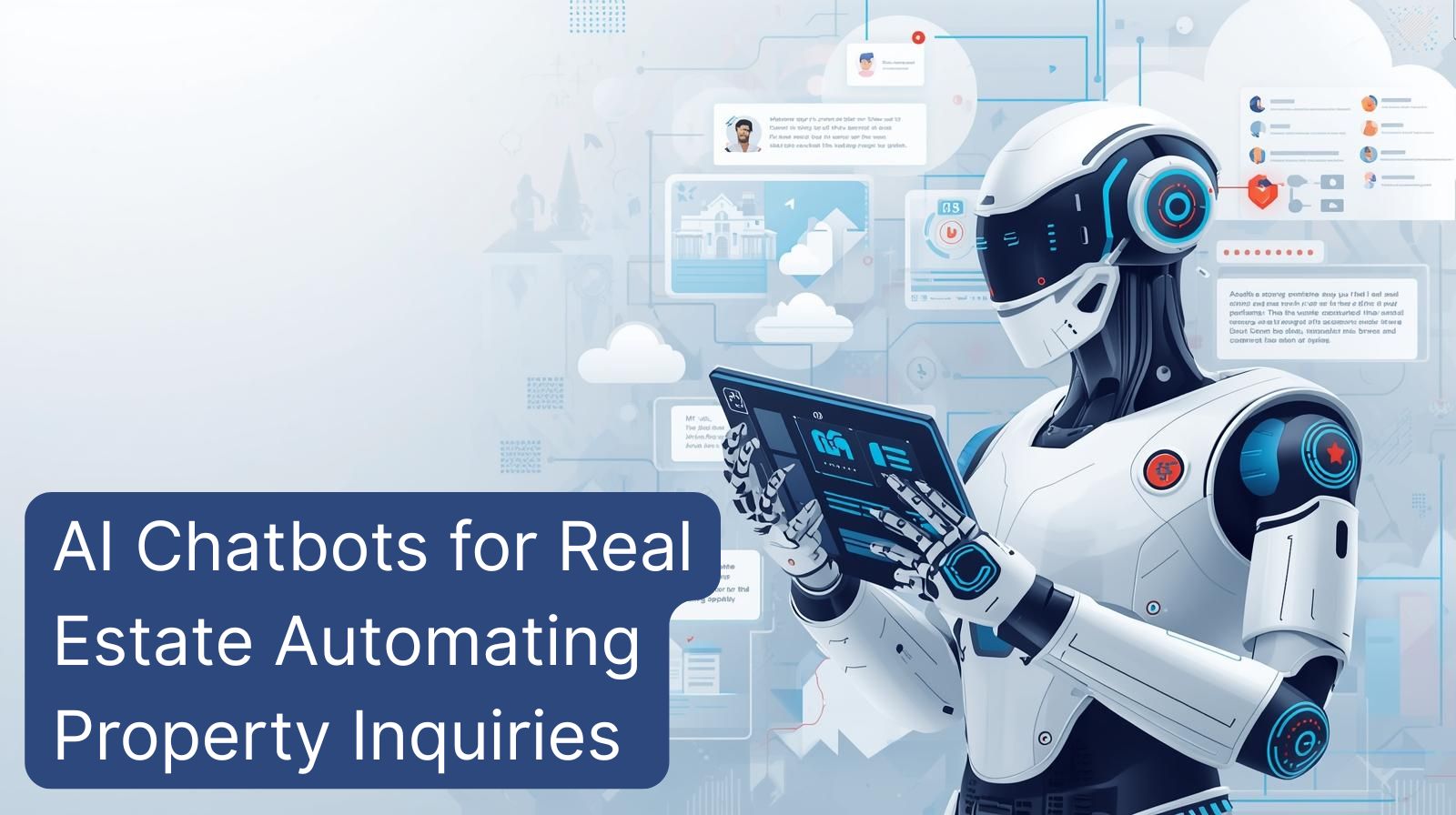
- AI-Powered Real Estate Chatbots: These are advanced software programs that use Artificial Intelligence (AI) and Natural Language Processing (NLP) to simulate human conversation. They are deployed on websites, social media, or portals to interact with visitors in real-time, answer questions, schedule appointments, and qualify leads based on pre-defined criteria—all without human intervention.
- Traditional Human Agent Response: This is the classic model. Inquiries from web forms, emails, or phone calls are manually received, processed, and responded to by a real estate agent, assistant, or team member during business hours.
AI-Powered Real Estate Chatbots
The business case for implementing real estate chatbots is driven by efficiency, scalability, and data.
- 24/7/365 Lead Capture: Your website works while you sleep. A property chatbot instantly engages visitors, ensuring zero inquiry is missed due to time zones or after-hours browsing.
- Instant Engagement & Qualification: Modern buyers expect immediate answers. Chatbots provide instant responses, asking qualifying questions (budget, timeline, location) and scoring leads before they ever reach a human agent.
- Massive Efficiency Gains: Automate the repetitive FAQs: "What's the square footage?" "Is it pet-friendly?" "What are the HOA fees?" This frees your team to focus on high-value negotiations and client relationships.
- Consistent Data Collection: Every chatbot interaction is logged. You gain structured data on common questions, buyer intent, and peak engagement times, enabling you to refine your marketing and listings.
The Drawbacks of Relying Solely on AI Chatbots
However, an over-reliance on automation comes with significant risks.
- The Nuance Gap: AI real estate solutions can struggle with complex, multi-layered questions or highly emotional contexts. A query like, "We love this neighborhood but are worried about the school district's future funding," may require human empathy and local expertise.
- Impersonal Experience: For high-net-worth individuals or clients making their largest life transaction, an entirely automated initial contact can feel cold and transactional, potentially damaging rapport.
- Technical Limitations and Errors: If poorly trained or configured, chatbots can give incorrect information or enter frustrating response loops, harming your brand's credibility more than having no chatbot at all.
- Integration & Management Overhead: A successful chatbot requires initial setup, continuous training with new data, and integration with your CRM—an ongoing investment.
For the Human-Touch Response
The traditional model’s strength lies in the irreplaceable qualities of human interaction.
- Building Deep Rapport & Trust: The first conversation with a human agent can establish a powerful emotional connection, loyalty, and trust that machines cannot replicate.
- Handling Complexity and Emotion: Humans excel at reading between the lines, managing client anxiety, and navigating the subtle emotional undercurrents of buying or selling a property.
- Strategic Thinking and Adaptability: A human can pivot a conversation, recognize a unique opportunity, or provide creative solutions that fall outside a chatbot’s programmed pathways.
- No Technical Barrier: It requires no software training, updates, or fear of glitches. The "technology" is interpersonal skill.
The Drawbacks of a Purely Human Approach
In today’s digital landscape, a manual-only process has glaring weaknesses.
- Scalability Limitations: One agent can only handle so many concurrent conversations. During marketing blitzes or for large agencies, this model creates bottlenecks.
- Slow Response Times: The 8-hour (or more) delay between an inquiry and a response is often a death knell for lead conversion in our instant-gratification world.
- Inconsistent Qualification & Data Loss: Without a standardized script, different agents may ask different questions, leading to uneven lead quality. Vital data points can be missed or poorly recorded.
- High Operational Cost: Manpower is your most significant expense. Using highly skilled agents for initial FAQ duty is often not the highest and best use of their time or your capital.
How to Choose: 5 Key Questions to Ask
Your decision shouldn't be binary. Use this framework to assess your needs:
- What is your lead volume? High-volume websites benefit enormously from chatbot pre-qualification.
- Who is your target client? Luxury or bespoke markets may prioritize human-first contact, while commercial or high-volume residential can leverage automation.
- What is your team's capacity? Are your agents overwhelmed with admin? A chatbot can be a force multiplier.
- What is your tech integration capability? Do you have a CRM (like Salesforce or HubSpot) that a chatbot can seamlessly feed into?
- What are your "frequently asked" questions? If they are numerous and fact-based, they are perfect for automation.
The Smart Middle Ground: The Hybrid Handoff Model
The most sophisticated AI real estate solutions aren't about replacement; they're about augmentation. The winning strategy is a seamless hybrid:
- The Chatbot as the Ultimate Concierge: Let your Immobilien Chatbot (for the DE version) handle the first 90 seconds. It greets, answers basic FAQs, and collects vital contact and qualification data.
- Intelligent Escalation Triggers: Program the chatbot to identify high-intent signals (e.g., "I want to schedule a viewing," "Can you explain the offer process?") or signs of frustration.
- Warm Human Handoff: The moment a lead is hot or confused, the chatbot introduces a human agent by name, providing them with the full conversation history. The agent steps in, fully informed, to build rapport and close.
This model gives you 24/7 capture, perfect qualification, and a warm, trusted human connection at the most critical moment.
Conclusion: Automate the Process, Personalize the Relationship
The verdict is clear. In the modern real estate landscape, ignoring real estate chatbots means leaving money on the table through missed leads and operational inefficiency. However, abandoning the human element risks losing the soul of your service and the trust of discerning clients.
The optimal path is strategic integration. Use a property chatbot as your always-on, first-line ambassador to capture, qualify, and nurture leads. Then, deploy your human expertise to deepen relationships, handle complexity, and close deals. This powerful combination automates the process while personalizing the relationship—the ultimate recipe for scalable, sustainable growth.
Ready to transform your lead management? 👉 Book your free strategy session with our experts at Digital Solution Lab today. Let's find your solution together.