Break down global language barriers and connect with customers everywhere using a multilingual AI chatbot. This powerful tool provides instant, 24/7 support in dozens of languages, boosting scalability and reducing operational costs. While AI excels at handling routine queries at scale, human expertise remains vital for cultural nuance and complex issues. The most effective strategy is a hybrid approach: let AI manage high-volume interactions and seamlessly escalate complex cases to human agents. Discover how to intelligently integrate this technology to transform your global customer experience and drive growth.
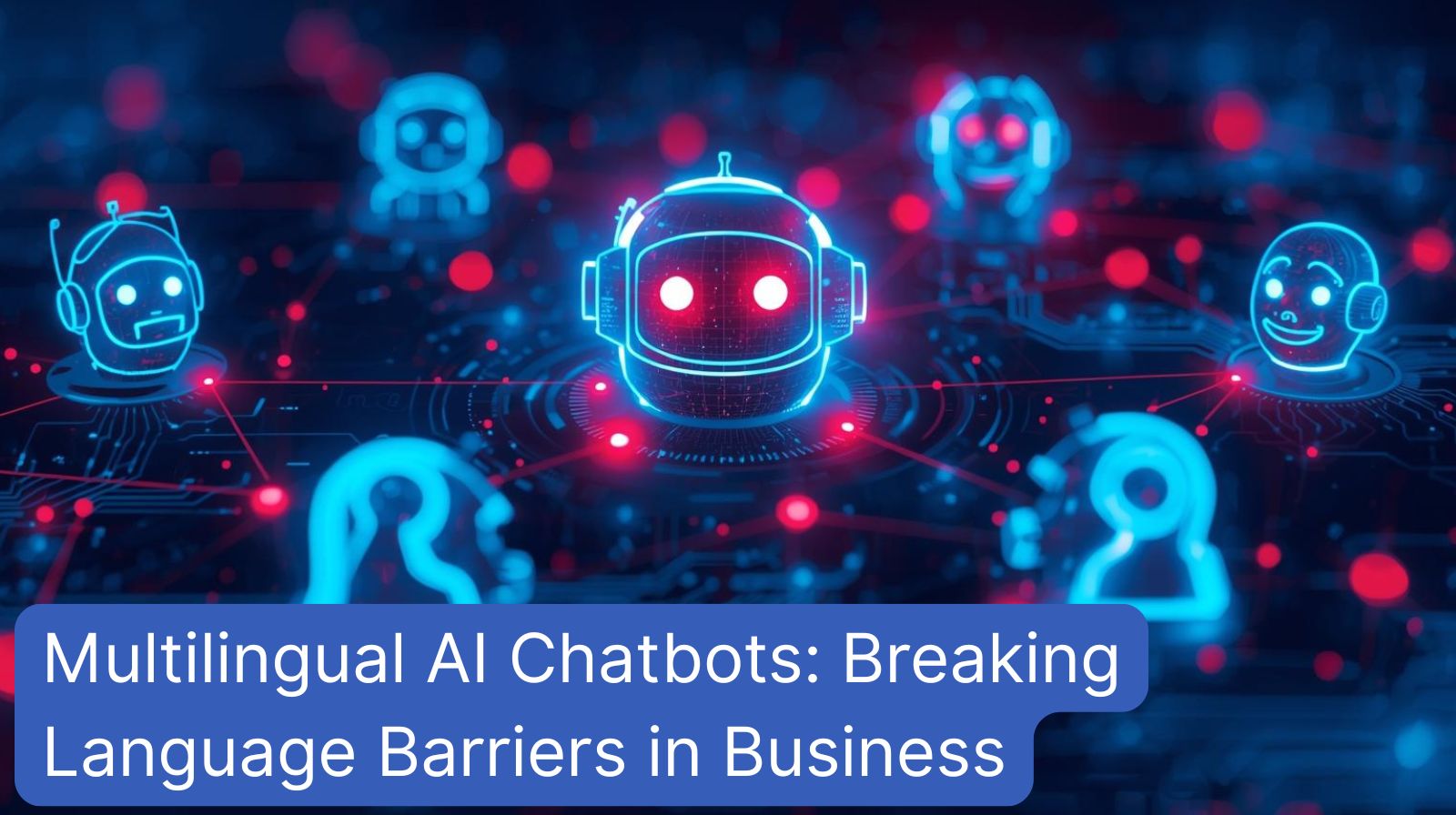
Imagine losing a lucrative international deal not due to product quality, but because of a simple language miscommunication on your website. In today's borderless digital marketplace, your customer service is only as strong as its weakest language link. For business leaders targeting global growth, language barriers remain one of the most stubborn and costly obstacles. Enter the multilingual AI chatbot – a technological leap promising 24/7 communication in dozens of languages. But is it a universal solution or a complex tool with hidden pitfalls? This article cuts through the hype, comparing AI-driven language solutions against traditional methods, providing a clear framework for decision-makers, and exploring the smart path forward for modern enterprises.
To make an informed choice, we must first define the two core approaches to overcoming language barriers in business communication.
A Multilingual AI Chatbot is an artificial intelligence program trained on massive datasets of human language. It uses technologies like Natural Language Processing (NLP) and machine learning to understand, process, and respond to customer queries in multiple languages autonomously. It doesn't translate word-for-word but aims to grasp intent and generate contextually appropriate responses.
Traditional Human-Led Language Support encompasses professional human translators, bilingual staff, and traditional translation services. This approach relies on human expertise for cultural nuance, complex dialogue, and high-stakes communication, often operating during business hours or with delayed response times.
The appeal of global business AI solutions is undeniable, offering scalable and efficient communication.
However, implementing a language AI system is not without its challenges and risks.
Human expertise remains the gold standard for quality and nuanced communication.
Despite its strengths, the traditional model has critical limitations in a digital-first global economy.
Your decision should be guided by your specific business context. Ask yourself:
The most effective global business AI strategy isn't about choosing one over the other. It's about creating a seamless hybrid model.
This approach leverages the speed and scale of language AI while safeguarding the quality, empathy, and complex problem-solving that only humans provide.
The choice between a multilingual AI chatbot and traditional human support is not binary. For basic, high-volume, and scalable communication across borders, AI is an indispensable tool that breaks down barriers and fuels growth. For nuanced, high-stakes, and emotionally intelligent interactions, human expertise remains paramount. The winning strategy for forward-thinking businesses is to integrate both. Use AI to be everywhere at once, understanding and responding instantly. Use humans to be there when it truly counts, building relationships and solving tough problems.
1/1/2026
12/30/2025
12/19/2025
12/19/2025
12/2/2025
Charlottenburg District Court; HRB 273096 B; Tax ID: 29/262/32902
Managing Director: Adil Sunil | Berlin, Germany
🇩🇪 GDPR Compliant
🔒 SSL Encrypted
⚡ Carbon Neutral Hosting