In today's e-commerce landscape, customer reviews and ratings are non-negotiable pillars for growth. They build essential online trust, serve as powerful social proof to boost conversions, and provide invaluable SEO benefits. Beyond influencing buyers, they offer critical insights for product and business improvement. A proactive strategy to manage and leverage this feedback transforms it from mere comments into your most honest growth engine. Harnessing this tool effectively is key to outpacing the competition.
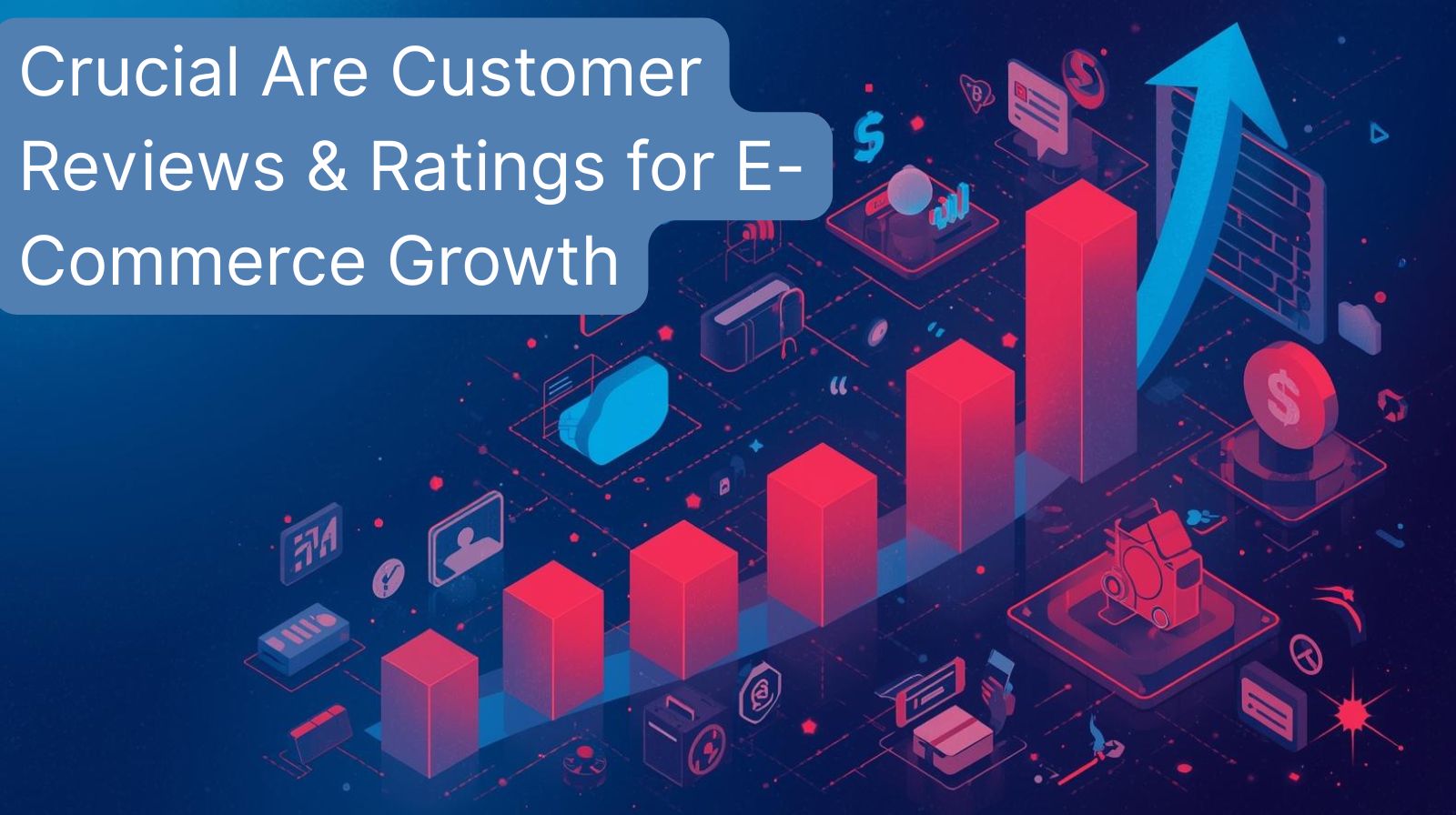
Imagine two identical online stores selling the same premium coffee maker. One has hundreds of glowing reviews and a 4.8-star rating. The other has three reviews and no displayed rating. Which one gets your sale? For the vast majority of shoppers, the choice is instantaneous. In the digital marketplace, where you can't touch or try a product, customer reviews and ratings have become the ultimate social proof and trust signal. They are not just feedback; they are a powerful growth engine for e-commerce businesses. But how exactly do they translate into revenue? And is there a downside to this public feedback system? Let's dissect the critical role of ecommerce reviews and customer ratings in building online trust and driving sustainable growth.
The benefits of a robust review system are transformative for any online business.
In a world rife with scam sites, reviews act as a digital handshake. A product with numerous positive customer ratings signals to new visitors that real people have bought and were satisfied. This directly combats purchase anxiety and lowers the perceived risk of buying from you.
Reviews are your most effective sales copy. They answer specific questions that product descriptions often miss. Phrases from other customers like "fits true to size," "excellent battery life," or "easier to assemble than I thought" are powerful purchase triggers. Displaying ratings on category and search pages can significantly increase click-through rates.
User-generated content is a goldmine for SEO. Fresh review content creates new keywords and long-tail phrases (like "best coffee maker for large families") that help your product pages rank in search engines. Google also favors product listings with rich, structured data like star ratings, which can earn you that coveted rich snippet in search results.
Reviews are a free, continuous stream of market research. They highlight product flaws, reveal unexpected use cases, and shed light on pain points in your customer service or shipping process. This direct line to the customer voice is invaluable for inventory decisions, product development, and operational improvements.
While powerful, an open review system is not without its challenges and risks.
A single scathing ecommerce review, especially if it's the first or only one, can devastate a product's perceived value. Negative reviews are often more vividly remembered by shoppers than positive ones, a psychological phenomenon known as negativity bias.
The ecosystem of paid-for positive reviews or malicious negative reviews from competitors is an ongoing battle. Platforms and consumers are getting better at spotting fakes, but a surge of inauthentic reviews can damage your brand's integrity if discovered.
A review system is not a "set it and forget it" tool. It demands resources to respond to feedback (both positive and negative), report fake reviews, and analyze trends. Ignored negative reviews, in particular, signal poor customer service to potential buyers.
Some brands, especially in luxury or high-fashion, initially resist open reviews to maintain tight control over their brand narrative.
By not displaying public reviews, a brand can ensure its curated messaging—through professional photography and copy—remains front and center without the "noise" of subjective customer opinions.
It allows a business to handle product issues or customer complaints privately through customer service channels, without airing dirty laundry in public.
In today's market, a lack of reviews is a major red flag. It can make your site seem new, untrustworthy, or like you have something to hide. The conversion cost of overcoming this trust deficit is extremely high.
You forfeit all the organic search benefits and the invaluable product feedback that public reviews provide, putting you at a competitive disadvantage.
For business leaders deciding on their review strategy, ask:
The most successful brands don't just have reviews; they orchestrate them. This hybrid approach involves:
The verdict is clear: for the vast majority of e-commerce businesses, the immense growth benefits of customer reviews and ratings far outweigh the risks. They are a non-negotiable pillar for building online trust, improving SEO, and boosting conversions. While a minimalist approach offers control, it typically comes at the steep cost of lost credibility and sales. The winning strategy is not to avoid reviews, but to implement a robust, managed system that harnesses their power while proactively mitigating the downsides. Embrace reviews not as criticism, but as your most honest growth partner.
1/16/2026

1/16/2026
1/16/2026

1/16/2026
1/16/2026
Charlottenburg District Court; HRB 273096 B; Tax ID: 29/262/32902
Managing Director: Adil Sunil | Berlin, Germany
🇩🇪 GDPR Compliant
🔒 SSL Encrypted
⚡ Carbon Neutral Hosting