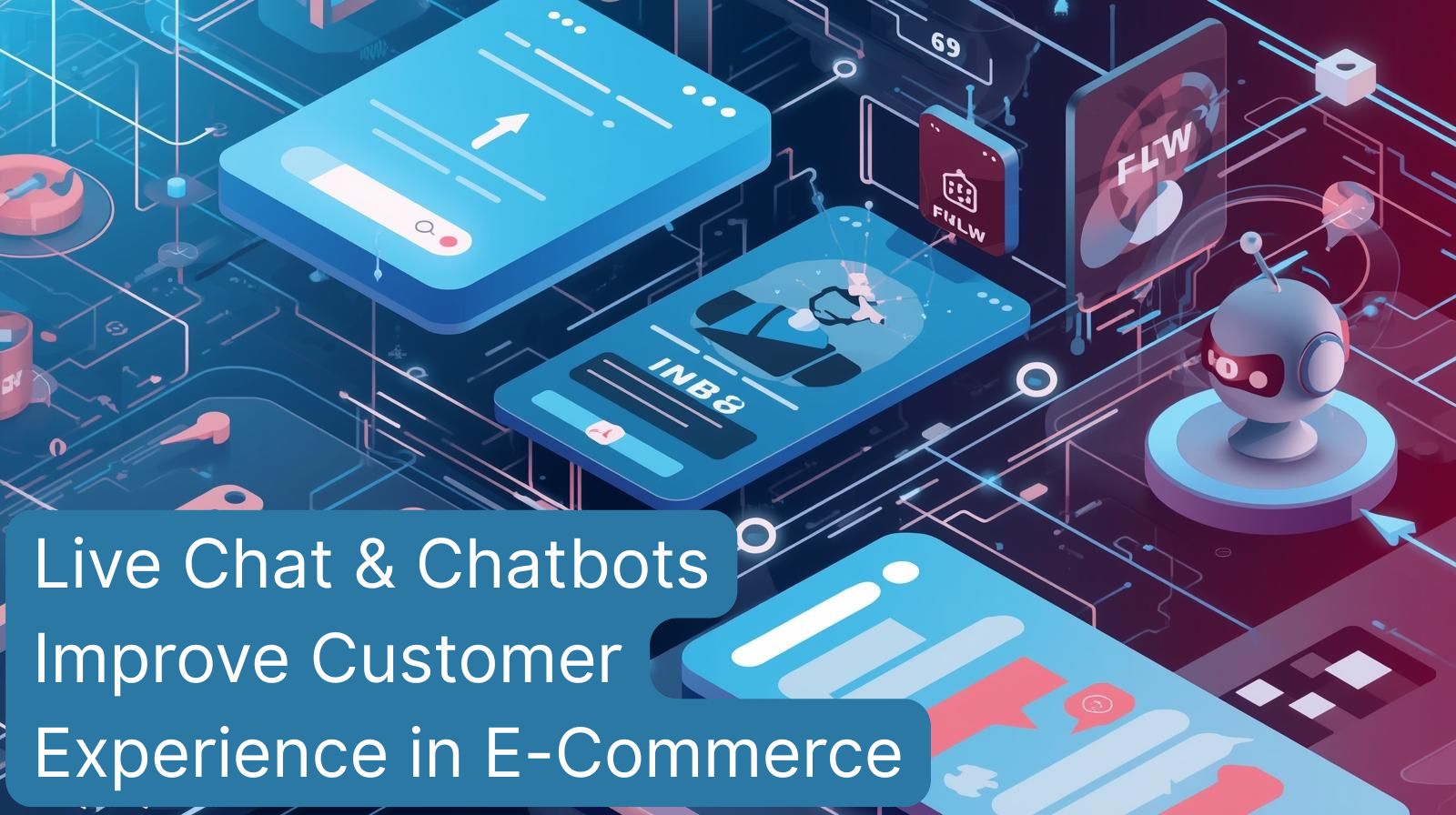
Live Chat vs. Chatbots for E-Commerce: Which is Best for Your Customer Support?
Introduction
Imagine a potential customer on your online store, ready to checkout, but they have one last question about sizing. Or a loyal visitor comparing two products, unsure which fits their needs. In these critical moments, a slow email response or a buried FAQ page can mean a lost sale. Today’s shoppers demand instant answers. That’s where live chat ecommerce solutions and ecommerce chatbot technology come in, transforming passive websites into dynamic, helpful storefronts. But which tool is the right investment for your business? This isn’t about picking a winner, but the right tool for the job. Let’s break down how each one works to deliver superior customer support shop experiences.
Before we compare, let's clarify what we're discussing. While both appear in a chat window on your website, their core functions differ significantly.
- Live Chat: This is a real-time, text-based communication tool that connects a website visitor with a human support agent. It’s a direct line to your team, offering personalized, nuanced conversation to solve complex issues, handle sensitive matters, or provide detailed product advice.
- E-Commerce Chatbot: Typically powered by rules or Artificial Intelligence (AI), a chatbot is an automated software program designed to simulate conversation. It interacts with visitors by answering predefined questions, guiding them through processes (like tracking an order), or collecting preliminary information before routing to a human.
For Live Chat: The Human Touch at Scale
Live chat brings the in-store associate experience online. Its advantages are rooted in human intelligence and empathy.
- Complex Problem-Solving: It excels at handling non-standard inquiries, complaints, or complicated technical and product questions that require human judgment and expertise.
- Building Trust and Relationships: A real conversation allows agents to build rapport, demonstrate empathy, and turn a frustrated customer into a loyal advocate. This personal touch is invaluable for high-consideration or luxury products.
- Higher Conversion Value: Agents can actively upsell, cross-sell, and directly rescue abandoned carts by addressing concerns in real-time, often leading to a higher average order value.
- Handling Sensitive Issues: For matters involving returns, refunds, or privacy, customers overwhelmingly prefer the discretion and understanding of a human agent.
The Case Against Live Chat: The Drawbacks
For all its strengths, a pure live chat strategy has limitations that can strain resources.
- Limited Availability: It requires staff to be online, making 24/7 support costly and challenging for smaller teams. This leaves a gap in coverage during off-hours.
- High Operational Cost: Scaling live chat means scaling your support team. As volume grows, so do staffing costs, training overhead, and management complexity.
- Agent Bandwidth: During peak traffic, agents can become overwhelmed, leading to longer wait times and decreased service quality—defeating the purpose of "instant" support.
For AI Chatbots: The 24/7 Automated Assistant
The modern ecommerce chatbot is a powerhouse of efficiency, designed to handle the predictable to free up humans for the complex.
- Instant, 24/7 First Response: A chatbot is always on, providing immediate acknowledgment and answers to common questions anytime, anywhere. This meets the core expectation of modern shoppers.
- Handling High Volume at Zero Marginal Cost: Once implemented, a chatbot can handle thousands of simultaneous conversations without additional cost, efficiently qualifying leads and answering FAQs.
- Streamlining Routine Tasks: They brilliantly automate repetitive tasks like order status checks, tracking updates, return initiation, booking appointments, or collecting contact information.
- Qualifying Leads and Gathering Data: Chatbots can ask qualifying questions and seamlessly route high-intent visitors to sales agents or log detailed support tickets, making human interactions more productive.
The Case Against Chatbots: The Limitations
Chatbots are powerful, but they are not a magic bullet for all customer support shop needs.
- Limited Understanding: Rule-based chatbots can fail with complex or poorly phrased questions. Even advanced AI can misunderstand context, leading to frustrating "I don't understand" loops for customers.
- Impersonal Experience: Over-reliance on automation can make your brand feel cold and detached, potentially damaging customer relationships if used inappropriately for sensitive issues.
- Implementation & Maintenance: Creating a helpful, natural conversation flow requires upfront work. AI models need continuous training and updating based on new products, policies, and customer query patterns.
How to Choose: 5 Key Questions to Ask
Your decision shouldn't be "either/or," but "what balance?" Ask these questions to define your strategy:
- What is the complexity of your products? (High-touch, technical products favor live chat; standardized goods benefit more from chatbots).
- What is your current support volume and team size? (Small teams need chatbot efficiency; large teams can leverage live chat for value-add).
- What is your primary goal? (Is it reducing ticket costs (chatbot) or increasing sales conversion (live chat)?).
- What is your budget for setup and ongoing operation? (Chatbots have higher upfront/development cost; live chat has higher ongoing staffing cost).
- What are your customers' most common questions? (If 80% are repetitive FAQs, a chatbot is perfect to handle them).
The Smart Middle Ground: A Hybrid Approach
The most sophisticated customer support shop strategy uses both tools in concert. This hybrid model creates a seamless, efficient, and scalable support system.
Implement an AI-powered ecommerce chatbot as the first line of response. It instantly greets visitors, handles FAQs, tracks orders, and qualifies requests. The critical feature is a seamless escalation protocol. When the chatbot reaches its limits—be it a complex question, an angry customer, or a sales inquiry—it immediately and smoothly transfers the conversation, along with the collected context, to a human agent via live chat. This ensures no customer is ever left hanging, agents work on high-value tasks, and the business enjoys 24/7 coverage.
Conclusion and Key Takeaways
Both live chat ecommerce and ecommerce chatbot tools are essential for competitive online customer experience. Live chat is your champion for building relationships, handling complexity, and driving sales through human connection. Chatbots are your engines of efficiency, providing instant, around-the-clock answers and automating routine tasks.
The verdict: For most growing e-commerce businesses, the hybrid approach is the optimal path. Start by deploying a chatbot to manage the predictable, high-volume queries and capture leads. Use live chat strategically to close sales, handle escalations, and provide premium support where it matters most. This balances cost, scalability, and the irreplaceable value of human touch.
CTA: Ready to transform your e-commerce customer experience? 👉 Book your free strategy session with our experts at Digital Solution Lab today. Let's find your solution together.