Struggling with an online store that crashes during traffic spikes? Your e-commerce architecture is the hidden foundation that determines whether you scale or fail. This guide breaks down the critical choice between traditional monolithic platforms and modern, flexible headless or microservices architectures. We provide a clear framework to evaluate scalability, cost, and complexity. Learn how to build a future-proof foundation that turns technical infrastructure into a competitive growth engine. Make the strategic choice that aligns with your business ambition and technical resources.
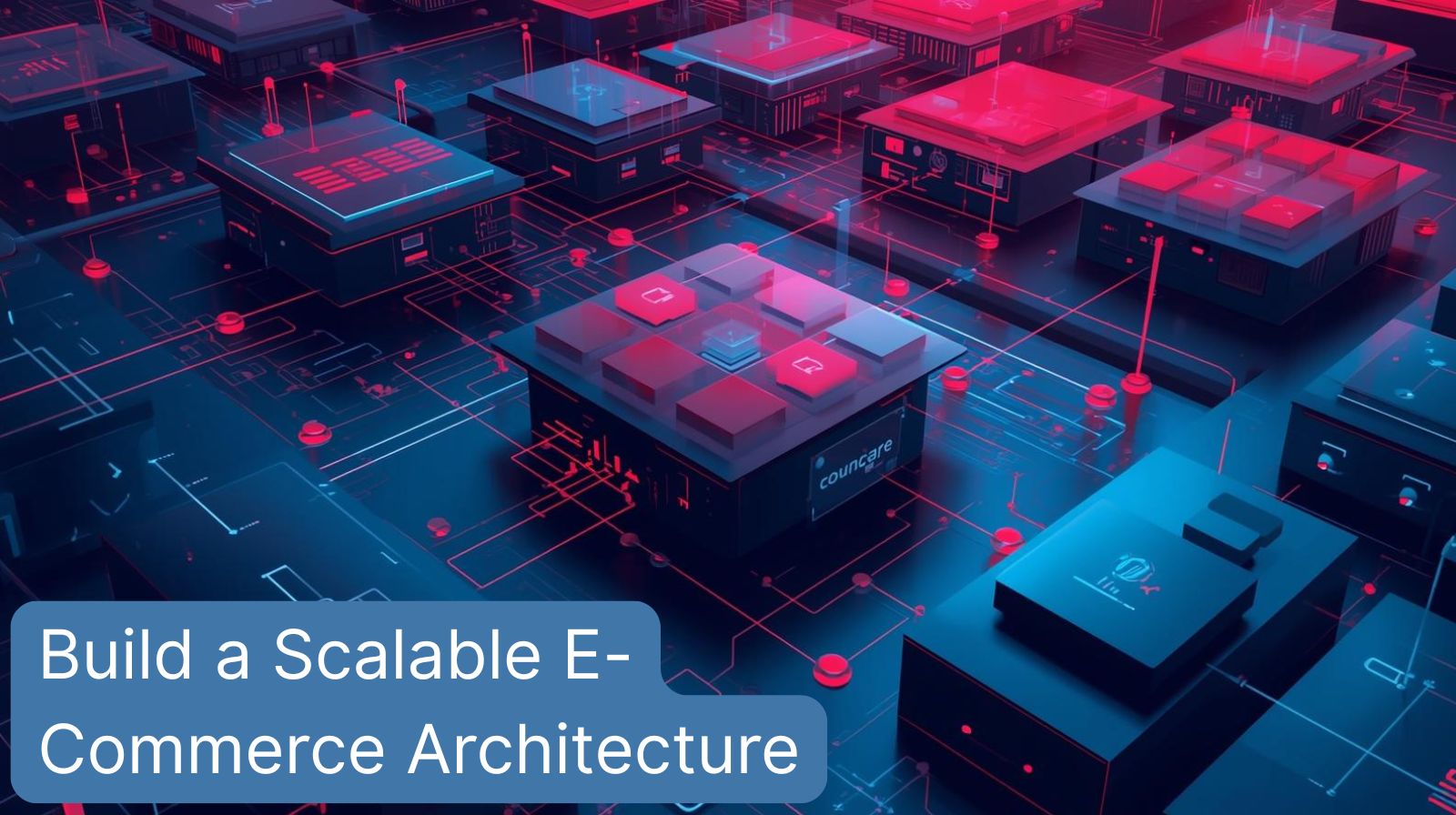
Is your e-commerce store a ticking time bomb of technical debt? You invest in marketing, product development, and customer service, but when a sales surge hits, your website buckles under pressure. Slow load times, crashing carts, and inventory sync errors aren't just glitches—they're revenue killers and brand destroyers. The difference between explosive growth and a spectacular failure often comes down to one thing: your underlying ecommerce architecture. In this guide, we'll dissect the modern approach to building a scalable ecommerce foundation that doesn't just handle growth but actively enables it. We'll compare traditional and modern frameworks, giving you the blueprint to make an informed, strategic decision for your business.
Before we dive into the how, let's define the what. Ecommerce architecture refers to the entire technological ecosystem that powers your online store. This includes your storefront (what the customer sees), the backend (product management, orders), databases, payment gateways, and third-party integrations.
A scalable ecommerce architecture is one designed to accommodate growth seamlessly—both vertically (handling more traffic and transactions on a single server) and horizontally (distributing load across multiple servers or services). True shop scalability means your site maintains performance, reliability, and a smooth user experience during traffic spikes (like Black Friday) and as you expand into new markets or product lines.
For many businesses starting their journey, a monolithic platform like a traditional, all-in-one Shopify Plus, Magento (Adobe Commerce), or a custom-built single application can be a logical starting point.
However, as your business ambitions grow, the cracks in a monolithic foundation begin to show, hindering true shop scalability.
This is where the modern paradigm shines. A scalable ecommerce architecture today often means adopting a headless, composable, or microservices-based approach.
This power and flexibility come with significant trade-offs that not every business is prepared to handle.
Your ideal ecommerce architecture depends on your business context. Ask these questions:
You don't have to make a binary choice. The most pragmatic path for many growing businesses is a composable commerce strategy.
Start with a strong, modern monolithic core (like a SaaS platform) for your most critical commerce functions. Then, progressively decouple parts of your experience. For example, keep your product and order management in your core platform but use a headless CMS for your content pages and a best-in-class search solution. This hybrid model offers a balance of control, shop scalability, and manageability, allowing you to evolve your ecommerce architecture as your needs mature.
Building a scalable ecommerce architecture is not a one-time project but a strategic journey. For startups and SMBs with predictable growth, a powerful, well-optimized monolithic platform is often the most sensible choice. For enterprises, high-growth brands, and businesses where digital experience is a core competitive advantage, investing in a headless, microservices-oriented ecommerce architecture is the path to limitless innovation and resilience.
The goal is to choose a foundation that supports your ambition without crippling you with unnecessary complexity. Assess your needs, be honest about your resources, and plan to evolve.
1/16/2026

1/16/2026
1/16/2026
1/16/2026
1/16/2026
Charlottenburg District Court; HRB 273096 B; Tax ID: 29/262/32902
Managing Director: Adil Sunil | Berlin, Germany
🇩🇪 GDPR Compliant
🔒 SSL Encrypted
⚡ Carbon Neutral Hosting