Marketplace vs. Own Online Shop: Which Drives More E-Commerce Success in Germany?
Introduction
You’re ready to scale your business online in Europe’s largest economy, but a critical question looms: should you set up shop on a major marketplace like eBay or Amazon, or build your own independent storefront? This isn't just a technical choice; it's a strategic decision that impacts your brand, margins, and long-term growth. In Germany’s sophisticated eCommerce landscape, getting this decision wrong can mean wasted resources and missed opportunities. Let’s cut through the noise and compare the two dominant paths: leveraging established marketplaces versus building your own online shop.
Defining the Battlefield: Marketplaces vs. Own Online Shops
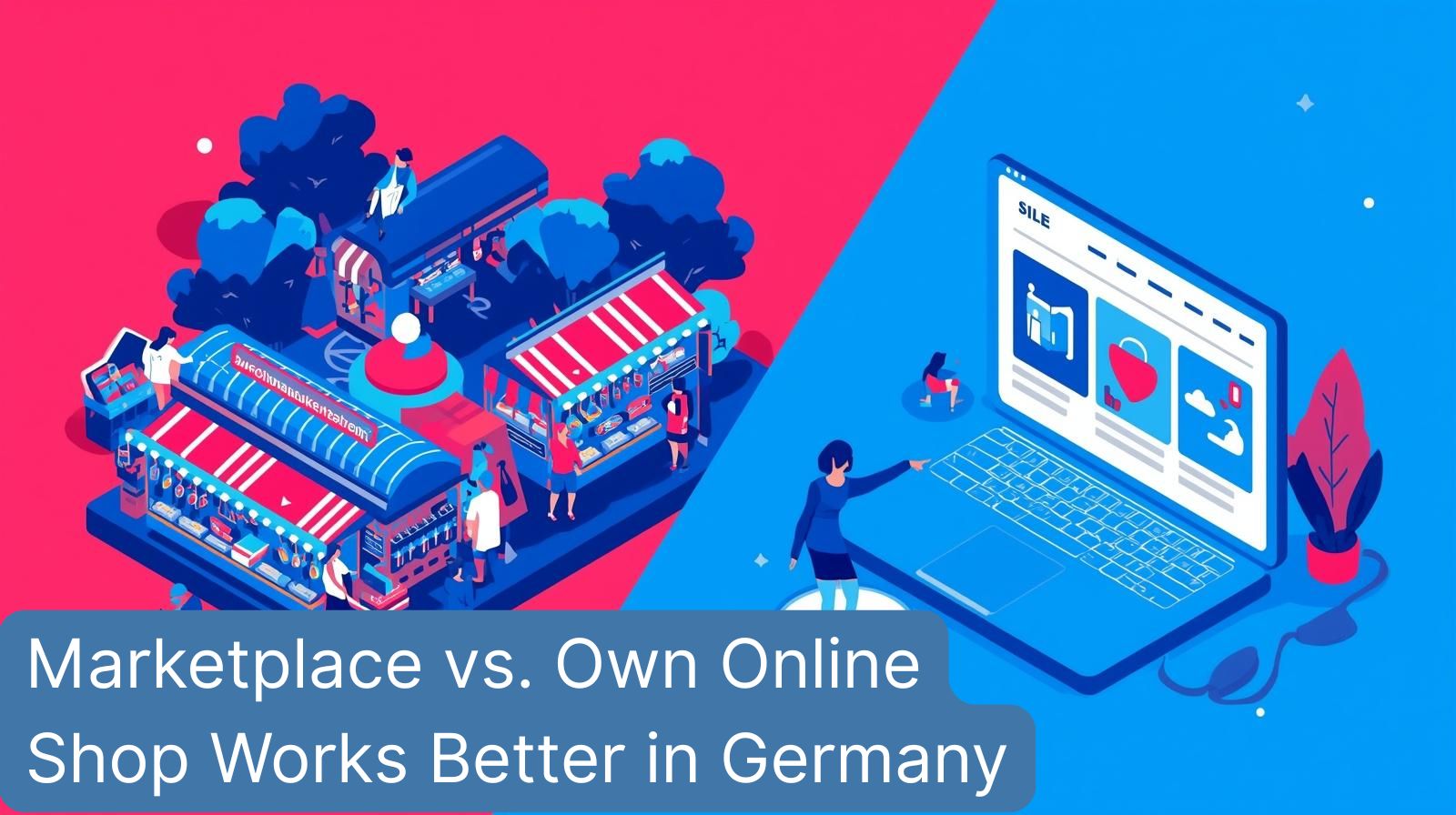
First, let’s clarify what we’re comparing. A marketplace (like Amazon.de, eBay.de, or OTTO) is a vast digital platform where multiple third-party sellers list and sell their products. You are a tenant in a mega-mall, subject to its rules and fees. Your own online shop, however, is a dedicated website you own and control, built on platforms like Shopify, Shopware, or WooCommerce. It’s your standalone boutique on the digital high street. The core of the own shop vs marketplace debate revolves around control versus convenience.
For Selling on a Marketplace in Germany
Jumping onto a major marketplace in Germany offers a powerful launchpad, especially for new entrants or businesses looking to test the market.
- Instant Traffic and Built-in Audience: Platforms like Amazon.de boast millions of monthly visitors. You bypass the years of effort needed to attract an audience and gain immediate access to ready-to-buy customers.
- Lower Initial Barrier to Entry: Setting up a seller account is relatively fast and inexpensive compared to developing a custom shop. The technical heavy-lifting—hosting, security, checkout systems—is handled by the platform.
- Trust and Credibility: German consumers have high trust in established brands. “Buying from Amazon” carries an inherent sense of security regarding payments and returns, which can transfer to you as a seller.
- Streamlined Logistics (FBA): Using services like Fulfillment by Amazon (FBA) simplifies your operations. Amazon handles storage, packing, shipping, and customer service, allowing you to focus on sales and sourcing.
The Drawbacks of the Marketplace Model
This convenience and reach come at a significant cost and with notable trade-offs.
- High Fees and Intense Competition: Marketplace fees (commission, fulfillment, storage) eat deeply into your margins. You’re also competing directly on price with countless other sellers, often in a race to the bottom.
- Limited Brand Building: You are fundamentally building the platform’s brand, not your own. Your shop is a generic template, and customers may remember they bought from “Amazon,” not from your company.
- Dependency and Lack of Control: Your business is subject to the platform’s changing rules, fee structures, and algorithms. Account suspensions can happen, with little recourse, effectively shutting down your revenue stream overnight.
- Restricted Customer Data: You get minimal insights into your customers. You cannot build a rich email list or understand their full shopping journey, crippling your ability to foster loyalty and drive repeat sales.
For Building Your Own Online Shop
Building your own online shop is an investment in your brand’s sovereign future. It’s the path to true independence in eCommerce Germany.
- Full Brand Control and Customer Experience: Every pixel is yours. You craft a unique brand story, design, and shopping experience that reflects your values and connects emotionally with customers.
- Higher Profit Margins: While you have upfront costs, you keep 100% of the profit (minus payment gateway fees). There’s no per-sale commission, allowing for healthier margins and more room for marketing investment.
- Ownership of Valuable Customer Data: This is the crown jewel. You capture emails, purchase history, and behavior. This data allows for personalized marketing, loyalty programs, and direct customer relationships that drive lifetime value.
- Long-Term Asset Creation: Your shop is a growing digital asset you own. Its SEO value, brand equity, and customer list accumulate over time, making your business more valuable and resilient.
The Drawbacks of the Own Shop Route
The path of independence requires more resources and carries its own set of challenges.
- Significant Upfront Investment and Effort: You are responsible for everything: website design, development, hosting, security, payment integration, and legal compliance (like German Impressum and data protection).
- The Challenge of Driving Traffic: You start from zero visitors. Acquiring traffic requires a sustained, often costly, effort in SEO, content marketing, social media, and paid advertising.
- Building Trust from Scratch: Without a giant platform’s badge of trust, you must earn customer confidence through professional design, transparent policies, secure badges, and reviews.
- Operational Complexity: Handling logistics, returns, and customer service falls entirely on your shoulders unless you outsource it, adding to operational overhead.
How to Choose: 5 Key Questions to Ask Yourself
Use this framework to guide your decision for the German market:
- What is your primary goal? Quick market entry and sales velocity (marketplace) vs. long-term brand building and customer ownership (own shop).
- What are your margin expectations? Can your product sustain marketplace fees of 15-25% and still be profitable?
- What resources do you have? Do you have the budget and team for technical setup, marketing, and operations for an own online shop?
- How unique is your brand? A commodity product thrives on a marketplace. A unique, branded product needs its own space to tell its story.
- What is your risk tolerance? Are you comfortable with the platform risk of a marketplace, or do you prefer the control (and responsibility) of your own asset?
The Smart Middle Ground: A Hybrid Approach
The most successful eCommerce strategies in Germany often employ a hybrid model. Use the marketplace as a lead generator, and your own shop as the profit and loyalty hub.
- Launch on a Marketplace: Start on Amazon or eBay to validate demand, generate cash flow, and gain initial market insights with lower risk.
- Nurture Customers to Your Own Shop: Include inserts in marketplace packages inviting customers to your own website for exclusive benefits (e.g., “Join our loyalty club on our own shop for 10% off your next order!”).
- Dual-List Strategically: Sell bestsellers on the marketplace for reach, but keep your full range, bundles, and new products exclusive to your own online shop. This channels marketplace traffic into your owned ecosystem.
Conclusion
So, what works better in Germany? There’s no universal winner. Marketplaces like eBay and Amazon are unparalleled for rapid launch, testing, and volume sales with less hassle. Your own online shop is the unequivocal choice for building a lasting, profitable brand, owning customer relationships, and maximizing margins. For most ambitious businesses, the hybrid approach isn’t just a compromise—it’s the savvy strategy. Use the marketplace for discovery and initial scale, but build your owned shop as the central, long-term pillar of your eCommerce Germany success.
Ready to define your winning e-commerce strategy in Germany? 👉 Book your free strategy session with our experts at Digital Solution Lab today. Let's find your solution together.