Introduction
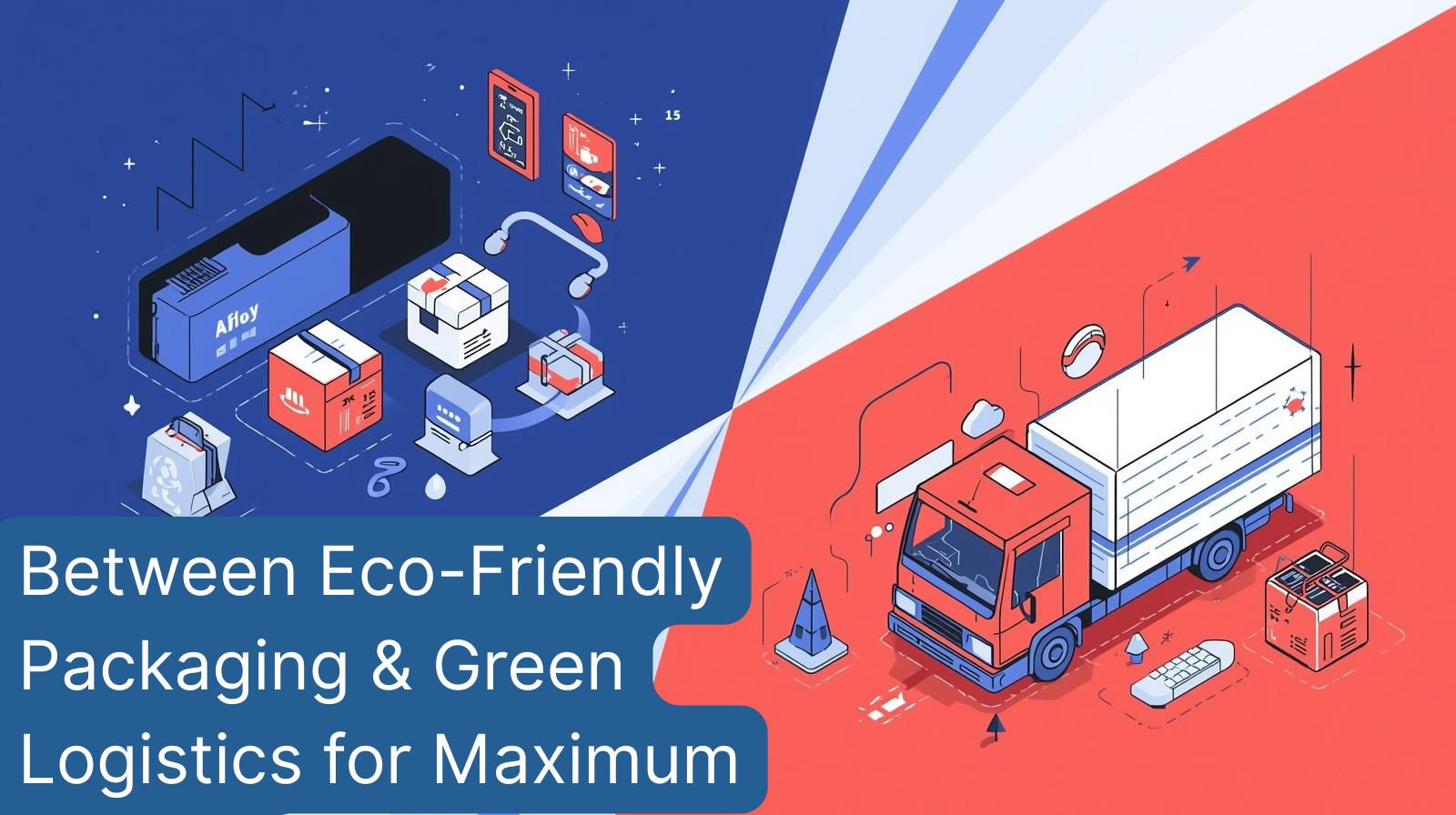
You've committed to sustainability. Your customers demand it, your brand values depend on it, and frankly, the planet needs it. But as an e-commerce business leader, you’re faced with a critical operational decision: where should you invest first—in eco-friendly packaging or overhauling your systems for green logistics? Both are pillars of sustainable ecommerce, but resources are finite. Diving into one without a strategic view of the other can lead to missed opportunities and even accusations of "greenwashing." This article cuts through the complexity, providing a clear, professional comparison to help you, the decision-maker, allocate resources wisely and build a genuinely greener operation.
Defining the Key Concepts
Let's establish a clear baseline for our discussion.
- Sustainable Ecommerce: This is the overarching goal. It refers to operating an online business in a way that minimizes negative environmental and social impact across the entire value chain—from sourcing to last-mile delivery.
- Eco-Friendly Packaging: This focuses on the materials and design of your product shipments. It involves replacing plastics and non-recyclable fillers with recycled, biodegradable, or compostable alternatives, and right-sizing packages to eliminate waste.
- Green Logistics: This encompasses the processes of moving goods. It aims to reduce the carbon footprint of transportation and warehousing through strategies like route optimization, using electric or low-emission vehicles, consolidating shipments, and operating energy-efficient fulfillment centers.
For Prioritizing Eco-Friendly Packaging
This is often the most visible starting point for a reason.
- Immediate Brand Perception & Unboxing Experience: The package is the first physical touchpoint with your customer. Eco packaging made from elegant, simple materials like recycled cardboard or paper shreds creates a powerful, tangible statement about your brand's values, enhancing loyalty and shareability.
- Direct Reduction of Waste: You actively cut down on the plastic, foam, and oversized boxes that clog landfills. Switching to right-sized, recyclable materials has a measurable, immediate effect on your waste output.
- Customer-Led Demand & Marketing Content: Many consumers actively seek out brands with sustainable packaging. It's a clear, marketable advantage you can communicate on your product pages and through social media, often justifying a slight price premium for a segment of your audience.
- Often Lower Initial Complexity: Implementing new packaging materials within your existing warehouse can be simpler and faster than re-engineering your entire shipping network.
The Drawbacks of Focusing Solely on Packaging
Putting all your eggs in the packaging basket has its risks.
- Risk of Greenwashing: If you ship a recycled cardboard box via a gas-guzzling, inefficient logistics network, the net environmental benefit is questionable—and savvy consumers will notice the contradiction.
- Potential for Higher Costs: Specialized biodegradable or compostable materials can be more expensive per unit than standard plastic mailers, directly impacting your bottom line and potentially requiring price adjustments.
- Consumer Confusion: Instructions like "home compostable" or "recycle if clean" can be confusing, leading to improper disposal and negating the intended environmental benefit.
- Limited Scope of Impact: Packaging addresses waste, but it doesn't tackle the larger issue of carbon emissions from transportation, which is often the biggest carbon contributor in e-commerce.
For Prioritizing Green Logistics
Optimizing your supply chain's movement offers profound, large-scale benefits.
- Significant Carbon Emission Reduction: Transportation is the heaviest hitter in e-commerce's carbon footprint. Green logistics strategies like delivery consolidation, electric fleets for last-mile, and optimized routes directly slash your CO2 emissions, making the biggest dent in your overall impact.
- Operational Efficiency & Cost Savings: Many green logistics initiatives are also lean logistics initiatives. Reducing delivery miles, improving load efficiency, and lowering fuel consumption translate directly into long-term cost savings, often with a strong ROI.
- Future-Proofing Against Regulation: Governments worldwide are increasingly legislating carbon reporting and reduction. Building a low-emission logistics framework now prepares you for compliance and avoids future disruptive overhauls.
- Systemic, "Invisible" Integrity: It represents a deep, operational commitment to sustainability that extends beyond the customer's eye, strengthening your entire supply chain's resilience and ethical standing.
The Case Against an All-In Logistics-First Approach
It's not a silver bullet without its own challenges.
- High Initial Investment & Complexity: Transitioning to an electric vehicle fleet, partnering with green carriers, or implementing advanced warehouse energy systems requires significant capital, time, and operational restructuring.
- Less Tangible Marketing Story: While powerful, "we optimized our delivery routes" is harder to market compellingly than a beautiful, plastic-free unboxing video. The direct customer-facing impact is less obvious.
- Dependency on Partners: Your success is often tied to the capabilities and green credentials of your 3PL (third-party logistics) providers and carriers, which can limit control and flexibility.
- Potential for Longer Lead Times: Strategies like shipment consolidation to reduce trips can sometimes mean slightly longer delivery windows, which may conflict with customer expectations for speed.
How to Choose: 5 Key Questions to Ask
Use this framework to guide your strategic decision:
- What is our primary customer avatar's top sustainability concern? (Is it visible plastic waste or the carbon footprint of fast shipping?)
- Where is our most significant environmental impact currently? (Conduct a basic audit: Are we mostly using plastic in oversized boxes, or are our shipments traveling long distances inefficiently?)
- What is our operational readiness and budget? (Do we have the capital for a logistics overhaul, or is a phased packaging shift more realistic?)
- Who are our key partners, and what are their capabilities? (Can our current 3PL or carriers support green initiatives, or would we need to switch?)
- What is our core brand promise? (Is it "luxurious, conscious ownership" (favors packaging) or "ethical, efficient service" (favors logistics)?)
The Smart Middle Ground: An Integrated Hybrid Approach
The most effective sustainable ecommerce strategy doesn't force an either/or choice. It seeks synergistic integration.
- Start with a "Quick Win" in Packaging: Immediately switch to the simplest eco-friendly alternative (e.g., recycled cardboard, paper tape) to show commitment and begin the learning curve.
- Analyze and Optimize Logistics Data: Use the next quarter to map your shipping lanes, carrier efficiency, and warehouse energy use. Identify the single biggest opportunity for reduction (e.g., switching to a regional green carrier for 50% of shipments).
- Communicate the Journey Holistically: Tell your customers, "We've started with X packaging, and now we're investing in Y logistics initiative to reduce our delivery emissions by Z%." This narrative showcases a genuine, comprehensive commitment.
Conclusion
The choice between eco-friendly packaging and green logistics is not about finding the "right" answer, but the strategic one for your business at this moment. For brands where the unboxing experience is paramount and waste is the glaring issue, packaging is a powerful first step. For businesses with complex, long-distance shipping and a goal of deep carbon reduction, logistics must be the priority. Ultimately, the winner is the approach that aligns with your impact audit, budget, and brand promise. However, viewing them as interconnected parts of one system—and moving toward the hybrid model—is the true hallmark of a mature, sustainable e-commerce operation.
Ready to build a truly sustainable e-commerce strategy? 👉 Book your free strategy session with our experts at Digital Solution Lab today. Let's find your solution together.