Introduction
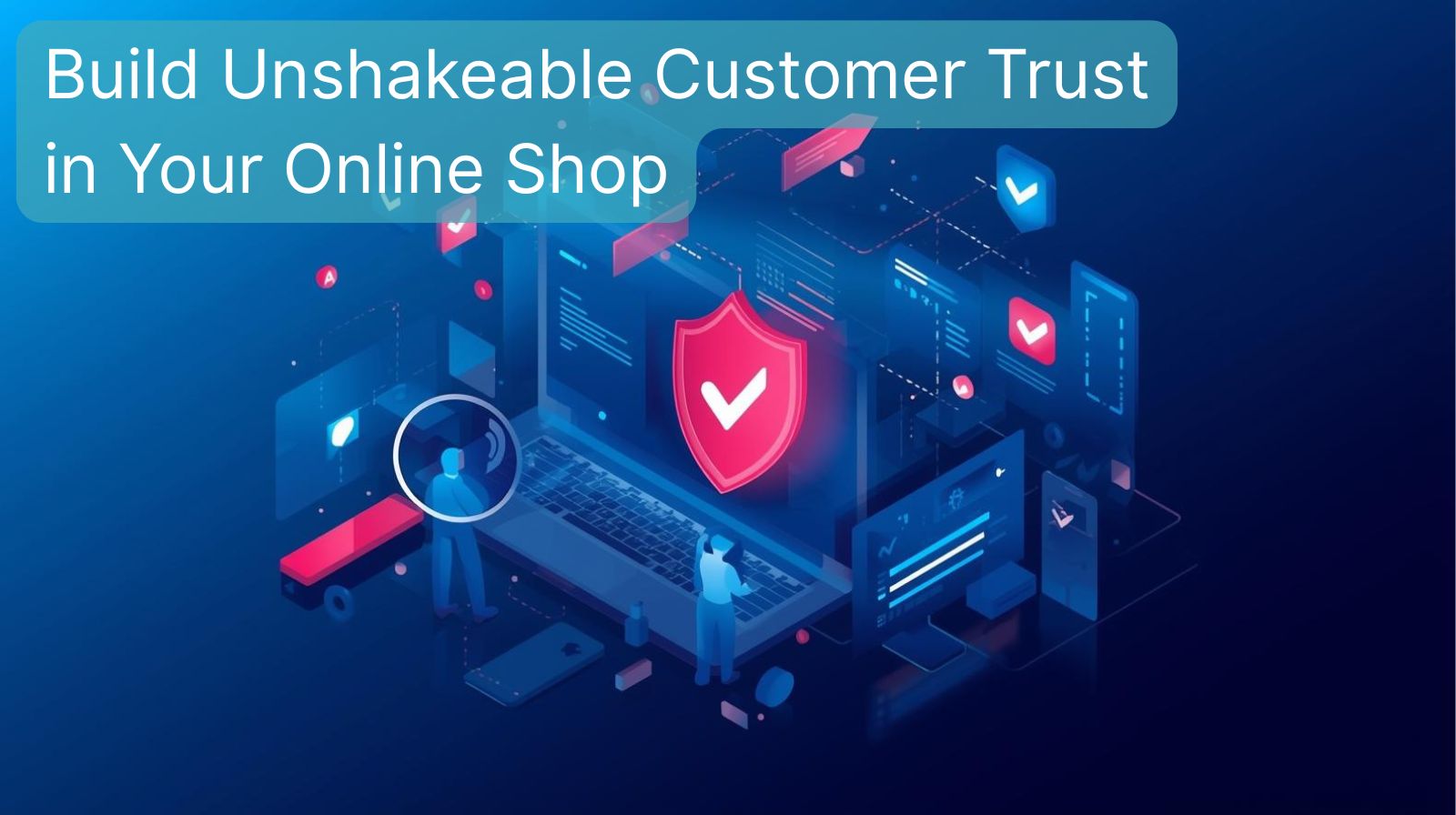
You've spent countless hours perfecting your products, building a beautiful website, and driving traffic to your store. But then, you see it: a high cart abandonment rate. Potential customers are visiting, browsing, and even adding items to their cart, but they’re not completing the purchase. Why? The answer, more often than not, boils down to a single, critical factor: a lack of ecommerce trust.
In the digital world, where customers can't physically touch your products or look you in the eye, establishing credibility is your number one priority. Without it, even the best products will struggle to convert. This article will break down the two pillars of building this essential trust: the technical foundation of a secure checkout and the holistic perception of a superior customer experience. We'll explore the case for and against each, and provide you with a clear framework to secure more sales.
Defining the Pillars of Digital Trust
Before we dive in, let's clarify the core concepts we're discussing.
- Ecommerce Trust: This is the confidence a potential buyer has in your online store. It's the belief that their personal and financial data is safe, that your products are as described, and that you will deliver on your promises. It's a feeling, built on evidence.
- Secure Checkout: This is the technical and procedural component of trust. It refers to the security measures in place during the payment process, such as SSL certificates, PCI compliance, and trusted payment gateways that encrypt sensitive data.
- Customer Experience: This is the holistic journey a user has with your brand. It encompasses everything from website design and ease of navigation to product information clarity, transparent policies, and post-purchase support. It's the human side of the transaction.
For a Bulletproof Secure Checkout
A secure payment process is the non-negotiable baseline for any online shop. It's your first and most critical line of defense in building ecommerce trust.
- It Directly Prevents Fraud: Robust security protocols protect both you and your customers from data breaches and financial theft.
- It's a Tangible Signal of Safety: Security badges (e.g., Norton, McAfee), SSL padlocks, and PCI DSS compliance seals are visual cues that instantly reassure visitors.
- It Directly Addresses Purchase Anxiety: At the moment of payment, customer anxiety peaks. A recognized, secure checkout process from providers like PayPal, Stripe, or Shopify Payments alleviates this fear.
- It's a Foundation for Credibility: Without basic security, no amount of branding or marketing can convince a savvy shopper to hand over their credit card details.
The Drawbacks of an Over-Reliance on Security Alone
While essential, focusing solely on technical security has its limitations.
- It's a Table Stake: Customers now expect your checkout to be secure. Having it doesn't give you a significant competitive advantage; not having it is a deal-breaker.
- It Can Create a Sterile Experience: A hyper-focus on security can lead to a cumbersome, multi-page checkout that frustrates users and increases abandonment, harming the overall customer experience.
- It Doesn't Build Brand Loyalty: A secure payment tells a customer, "You won't get robbed," but it doesn't tell them, "You'll love what you bought." Loyalty is built on the entire journey.
For an Exceptional Customer Experience
A superior customer experience is what transforms a one-time buyer into a lifelong advocate. It builds emotional ecommerce trust.
- It Differentiates Your Brand: In a crowded market, a seamless, helpful, and pleasant journey is a powerful differentiator. It’s why companies like Zappos became legendary.
- It Builds Emotional Connection: Transparency, excellent communication, and easy returns show you value the customer beyond their transaction. This fosters loyalty and repeat business.
- It Reduces Pre-Purchase Friction: A great customer experience includes high-quality photos, detailed descriptions, user-generated content (reviews), and a simple navigation, which builds trust long before the secure checkout page.
- It Generates Powerful Social Proof: A positive experience leads to positive reviews and word-of-mouth referrals, which are the most trusted forms of marketing.
The Drawbacks of CX Without Security
A beautiful experience means nothing if the foundation is cracked.
- It's Rendered Irrelevant by a Security Scare: One data breach or fraudulent charge linked to your store will instantly destroy all the goodwill built by a great customer experience.
- It Can Be Perceived as "Style Over Substance": If your site is beautiful but lacks basic security seals at checkout, savvy shoppers will perceive your brand as naive or untrustworthy.
- The Investment is Wasted Without a Foundation: Spending heavily on UX design and content without ensuring a secure checkout is like building a mansion on sand.
How to Choose: 5 Key Questions to Audit Your Shop's Trustworthiness
You need both security and experience. Ask yourself these questions to find your weak spots.
- Technical Security: Is my site HTTPS-secured, PCI compliant, and using a recognized, secure checkout gateway?
- Social Proof: Do I prominently display customer reviews, testimonials, and trust badges?
- Transparency: Are my shipping costs, return policy, and contact information crystal clear and easy to find?
- Professionalism: Is my site design clean, modern, and free of spelling errors? Does it look legitimate?
- Post-Purchase Communication: Do I send clear order and shipping confirmations, providing tracking information and an easy path for support?
The Smart Middle Ground: The Trust Funnel
The most successful online shops don't see security and experience as separate. They integrate them into a continuous "Trust Funnel."
- Awareness (Top of Funnel): Build initial trust through a professional design, clear value proposition, and visible reviews. This is the customer experience foundation.
- Consideration (Mid Funnel): Deepen trust with detailed product pages, FAQ sections, and live chat support. The customer experience answers questions and reassures.
- Decision (Bottom of Funnel): Seal the deal with a streamlined, multi-layered secure checkout. This is where the technical trust culminates in a safe, fast transaction.
- Loyalty (Post-Purchase): Reinforce trust with excellent communication and support, turning the first-time buyer into a repeat customer, completing the customer experience loop.
Conclusion
Building ecommerce trust is not a choice between a secure checkout and a great customer experience; it's a strategic integration of both. The secure checkout is the essential, non-negotiable price of entry—it gives customers the confidence to pay. The customer experience is the differentiator that gives them a reason to come back and tell their friends.
Prioritize security to make your shop safe, and prioritize experience to make it memorable.
Ready to transform your online shop into a trusted destination? 👉 Book your free strategy session with our experts at Digital Solution Lab today. Let's find your solution together.