Struggling with low sales despite high website traffic? The problem is often your conversion rate, not your marketing. Our guide to CRO ecommerce breaks down how to systematically plug revenue leaks and transform more visitors into buyers. We explore both foundational fixes and advanced personalization strategies for sustainable growth. Learn the data-driven framework to master ecommerce optimization and make informed decisions that boost your bottom line.
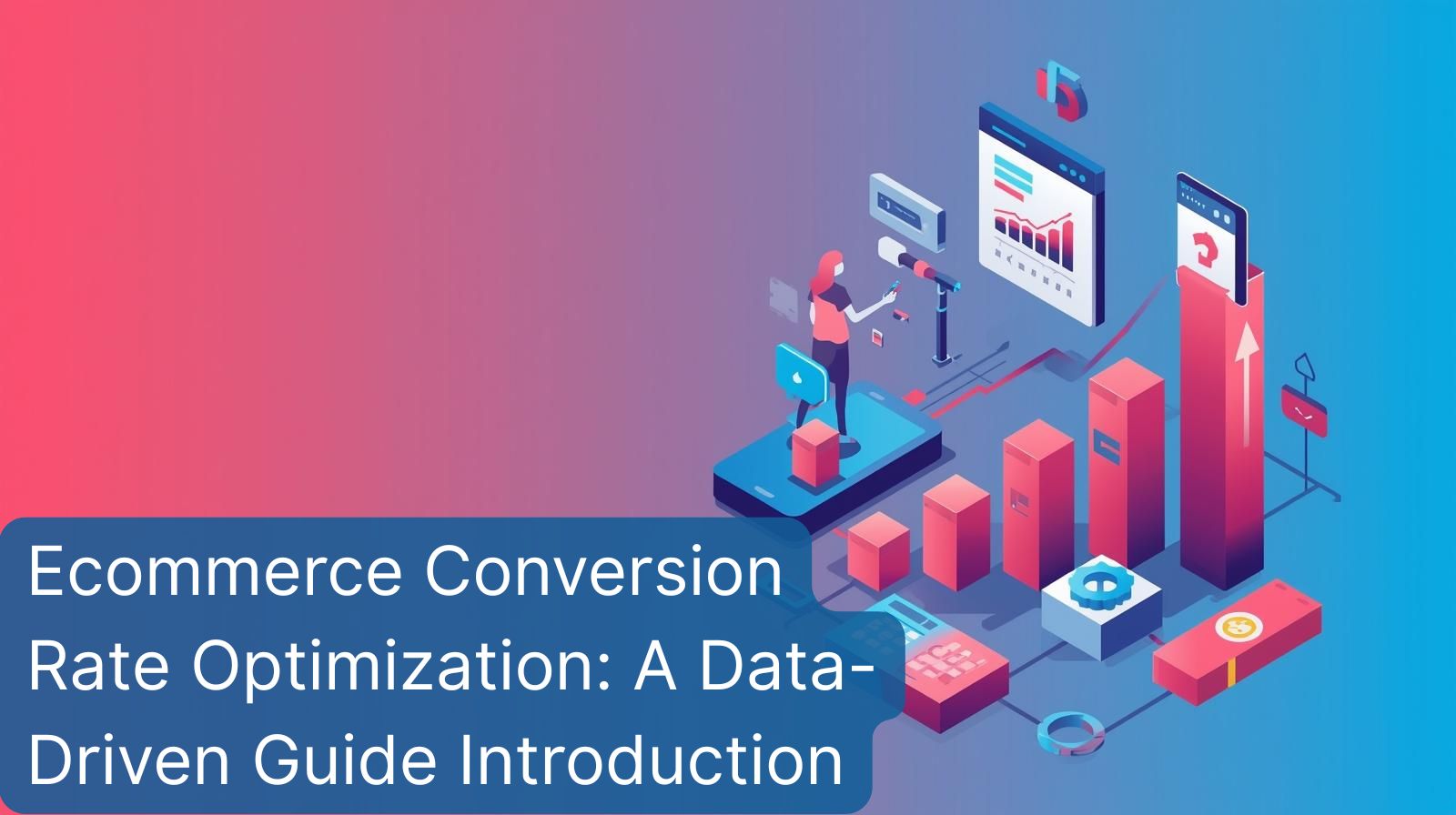
Is your ecommerce store a leaky bucket? You're driving traffic, spending on ads, and building brand awareness, but when you check your analytics, the sales figures don't match the effort. You're not alone. The silent killer for many online businesses is a poor conversion rate. The solution isn't always more traffic; it's making the most of the traffic you already have. This is where the strategic discipline of CRO ecommerce comes in. This guide isn't about quick hacks; it's a professional's playbook for systematically increasing your revenue by improving the percentage of visitors who become paying customers. We'll break down what ecommerce optimization truly means and provide a clear framework to help you make informed decisions for your business.
Before we dive into the strategies, let's define our terms clearly. Ecommerce conversions are the desired actions a visitor takes on your site. While a purchase is the ultimate goal, micro-conversions like signing up for a newsletter or creating an account are also valuable.
Conversion Rate Optimization (CRO) is the systematic process of using data, testing, and user feedback to increase the percentage of website visitors who complete a desired action. For online stores, this means turning more browsers into buyers. It's a continuous cycle of understanding user behavior and removing friction from the buying journey. Ecommerce optimization is the overarching goal that CRO serves.
This strategy focuses on fixing the basic, often obvious, barriers to conversion. It's about ensuring your store meets fundamental user expectations before chasing advanced tactics.
Relying solely on basics has its limitations. You can only optimize so far without deeper insights.
This approach leverages sophisticated tools like AI, behavioral analytics, and segmentation to deliver a hyper-relevant experience to each user.
While powerful, this path is not for every business at every stage.
Your ideal CRO ecommerce strategy depends entirely on your business context. Ask yourself these questions:
The most effective ecommerce optimization strategy is not an "either/or" choice. It's a hybrid model. Start with a thorough audit and implement all foundational fixes. This builds a solid, high-performing base for your store. Once that base is stable, layer in advanced personalization tactics for your highest-value customer segments or on your most critical pages (like the checkout). This phased approach ensures you get the quick wins needed to fund and justify the deeper, more resource-intensive work later.
Mastering CRO ecommerce is a journey, not a destination. There is no single "best" strategy for everyone. For new or underperforming stores, a foundational approach is the clear starting point—it offers the highest ROI and builds a essential data-driven culture. For established stores with strong traffic, an advanced, personalized strategy is the key to unlocking sustainable growth and staying ahead of the competition. The hybrid model, however, offers the most pragmatic and powerful path for the majority of businesses: build a rock-solid foundation, then innovate on top of it.
1/16/2026
1/16/2026
1/16/2026
1/16/2026
1/16/2026
Charlottenburg District Court; HRB 273096 B; Tax ID: 29/262/32902
Managing Director: Adil Sunil | Berlin, Germany
🇩🇪 GDPR Compliant
🔒 SSL Encrypted
⚡ Carbon Neutral Hosting