Cart abandonment is a major revenue leak for ecommerce businesses. This guide provides a strategic, data-driven framework to tackle it. We break down the pros and cons of different checkout strategies, from frictionless guest checkouts to account-centric approaches. Discover a smart hybrid method that prioritizes conversion while building customer loyalty. Learn key questions to define your strategy and advanced tips for a seamless user experience. Transform your checkout from a barrier into your biggest conversion opportunity.
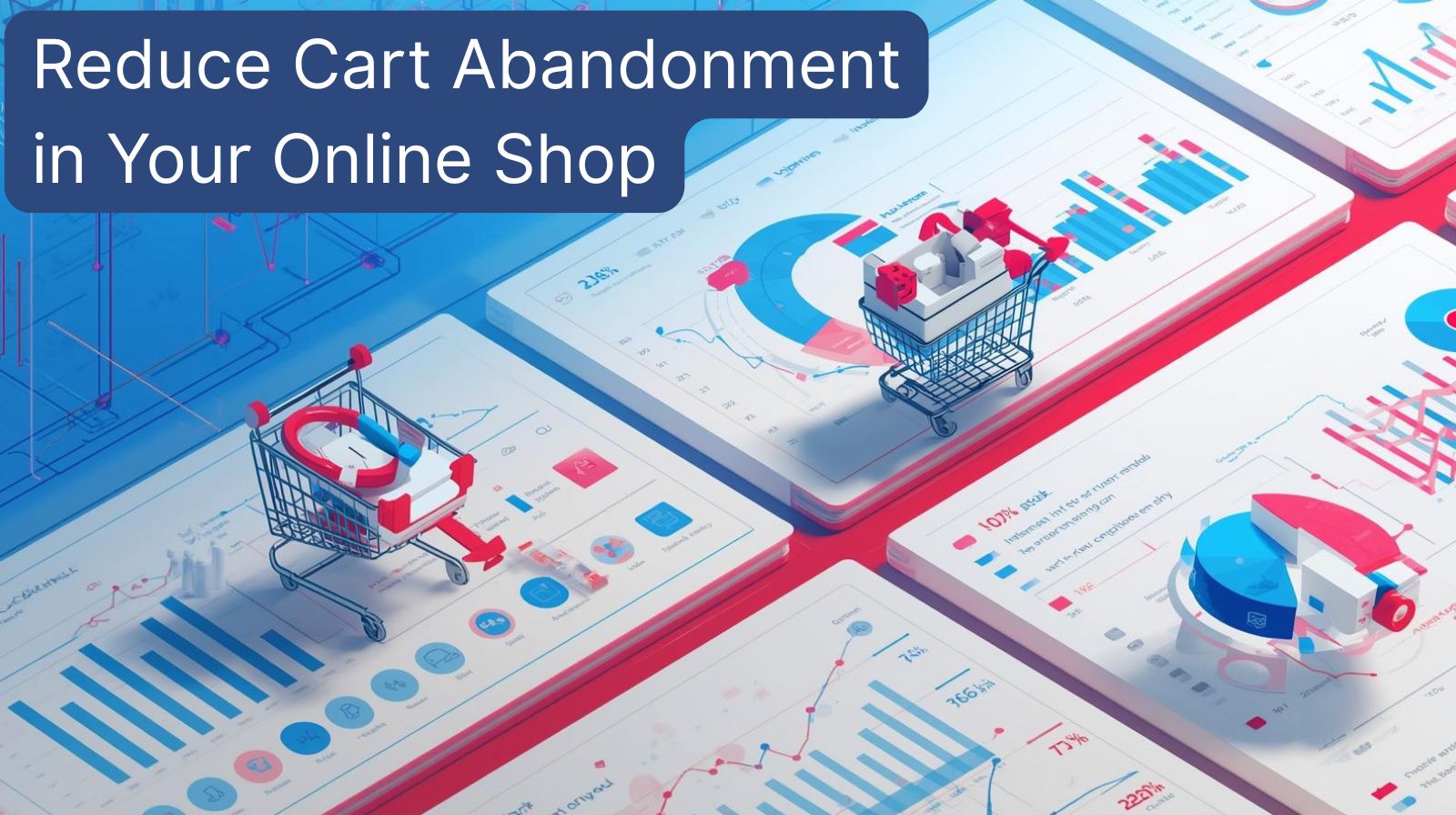
You've done the hard work. You've driven traffic to your site, captured a visitor's interest, and guided them to add a product to their cart. Then, silence. The sale vanishes into thin air. This is cart abandonment, and it's the silent revenue killer plaguing ecommerce businesses worldwide. With the average abandonment rate hovering around 70%, this isn't a minor issue—it's a gaping hole in your bottom line. But what if you could plug that hole? This guide isn't just another list of ecommerce tips; it's a strategic deep dive into the "why" and the "how," providing a clear framework to transform your ecommerce checkout from a barrier into a gateway.
Let's start with a clear definition. Cart abandonment occurs when a potential customer adds items to their online shopping cart but leaves your website before completing the purchase. It's the digital equivalent of a customer filling their trolley in a physical store, walking all the way to the checkout line, and then simply walking out the door, leaving the full trolley behind. Understanding this concept is the first step to solving it.
Many abandonment issues stem from a single point: friction. The primary strategy for reducing cart abandonment is to systematically eliminate every point of friction in the buying journey.
While minimizing friction is crucial, a singular focus on it has its limitations.
The alternative philosophy is to create a rich, integrated checkout experience that leverages user accounts to provide value and build a relationship.
The major risk with this approach is that it can backfire spectacularly if not implemented with care.
Your ideal strategy depends on your specific business. Ask yourself these questions to find your path:
You don't have to choose one over the other. The most sophisticated ecommerce tips advocate for a hybrid model. The key is to prioritize the initial sale while strategically capturing data.
Reducing cart abandonment is not about finding a single magic bullet. It's about a strategic, multi-faceted approach to your ecommerce checkout. For most businesses, the winning formula starts with a ruthlessly efficient, guest-first checkout process to secure the initial sale. Then, layer in the relationship-building benefits of a user account through post-purchase incentives. By understanding the pros and cons of each philosophy and implementing a smart, hybrid strategy, you can turn abandoned carts into completed sales and significantly boost your revenue.
Ready to dramatically reduce your cart abandonment rate and reclaim lost revenue? 👉 Book your free strategy session with our experts at Digital Solution Lab today. Let's find your solution together.
1/16/2026

1/16/2026
1/16/2026
1/16/2026
1/16/2026
Charlottenburg District Court; HRB 273096 B; Tax ID: 29/262/32902
Managing Director: Adil Sunil | Berlin, Germany
🇩🇪 GDPR Compliant
🔒 SSL Encrypted
⚡ Carbon Neutral Hosting