Mobile commerce is no longer optional; it's the core of online shopping. By 2026, a mobile-first strategy will be essential for survival. This guide breaks down the key battle between native apps and Progressive Web Apps (PWAs), weighing their pros and cons for business leaders. We provide a clear framework to help you choose the right approach and explore the hybrid "phygital" future. Get ready to future-proof your sales strategy and win in the mobile arena.
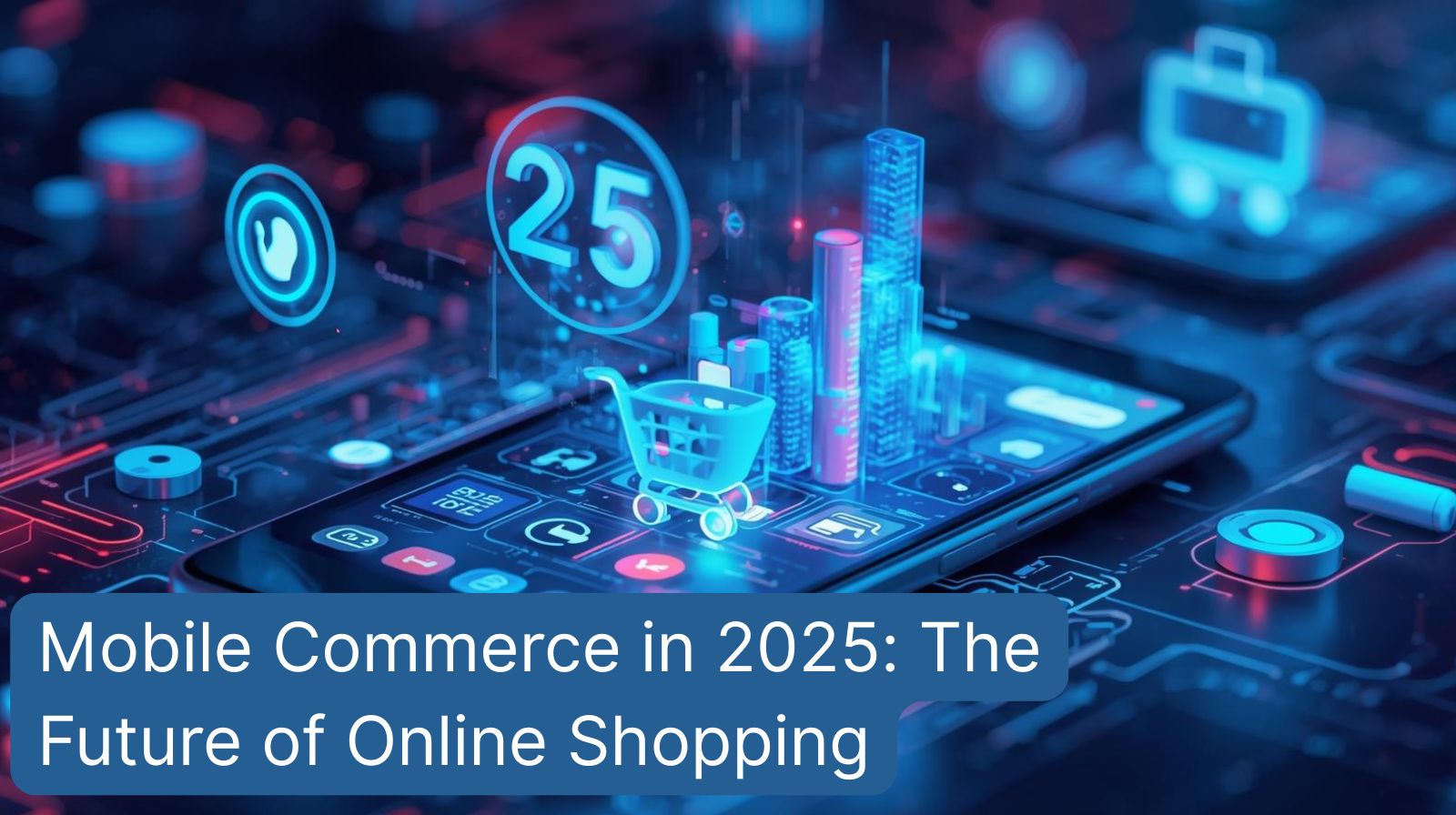
Remember when "going online" meant sitting at a desk? For today's consumer, the internet is in their pocket. And if your ecommerce strategy still treats mobile as an afterthought, you're not just missing sales—you're becoming invisible. The future is not just mobile-friendly; it's mobile-first. As we speed toward 2026, mobile commerce (or m-commerce) is evolving from a sales channel into the primary commerce interface. This article cuts through the noise to give you a clear, actionable comparison of the dominant forces shaping m-commerce and a framework to future-proof your strategy.
Let's start with a clear definition. Mobile Commerce is the buying and selling of goods and services through handheld wireless devices, primarily smartphones and tablets.
It's a subset of the broader term ecommerce, but with critical distinctions. While ecommerce encompasses all online transactions (including those on desktop computers), m-commerce is defined by its context: on-the-go, touch-centric, and location-aware. It includes everything from in-app purchases and mobile-optimized websites to digital wallets and QR code payments. Understanding this distinction is the first step to mastering it.
For years, the native app—downloaded from the Apple App Store or Google Play Store—has been the gold standard for a premium mobile commerce experience.
Despite their power, native apps come with significant hurdles.
Rising to challenge the native app is the Progressive Web App (PWA). A PWA is a website that uses modern web capabilities to deliver an app-like experience directly from the browser.
PWAs are powerful, but they aren't a magic bullet.
The app-vs-PWA debate isn't about finding a universal winner. It's about finding the right tool for your business. Ask yourself these questions:
The most forward-thinking ecommerce trends for 2026 point toward a hybrid model that blurs the line between digital and physical—the "phygital" experience. Your m-commerce strategy shouldn't be an isolated channel. It should be the connective tissue.
Think of using QR codes in-store to access detailed product information, allowing users to "save" items from a physical catalog to their mobile wish list, or offering mobile-exclusive discounts for in-store pickup. This approach uses the strengths of mobile—convenience, information, and personalization—to enhance the entire customer journey, both online and off.
By 2026, mobile commerce won't be a strategy; it will be the table stakes. The key takeaway is this: Native apps excel for building deep, engaging relationships with your most loyal customers. PWAs are unparalleled for maximizing reach, reducing friction, and capturing demand at the top of the funnel.
For most businesses, the winning formula will involve a sophisticated understanding of both. Start with a rock-solid, PWA-like mobile web experience to capture broad interest, and use that to funnel your most engaged users toward a powerful native app for long-term loyalty.

1/16/2026

1/16/2026
1/16/2026

1/16/2026
1/16/2026
Charlottenburg District Court; HRB 273096 B; Tax ID: 29/262/32902
Managing Director: Adil Sunil | Berlin, Germany
🇩🇪 GDPR Compliant
🔒 SSL Encrypted
⚡ Carbon Neutral Hosting