How to Build Recurring Revenue: Is a Subscription Ecommerce Model Right for You?
Introduction
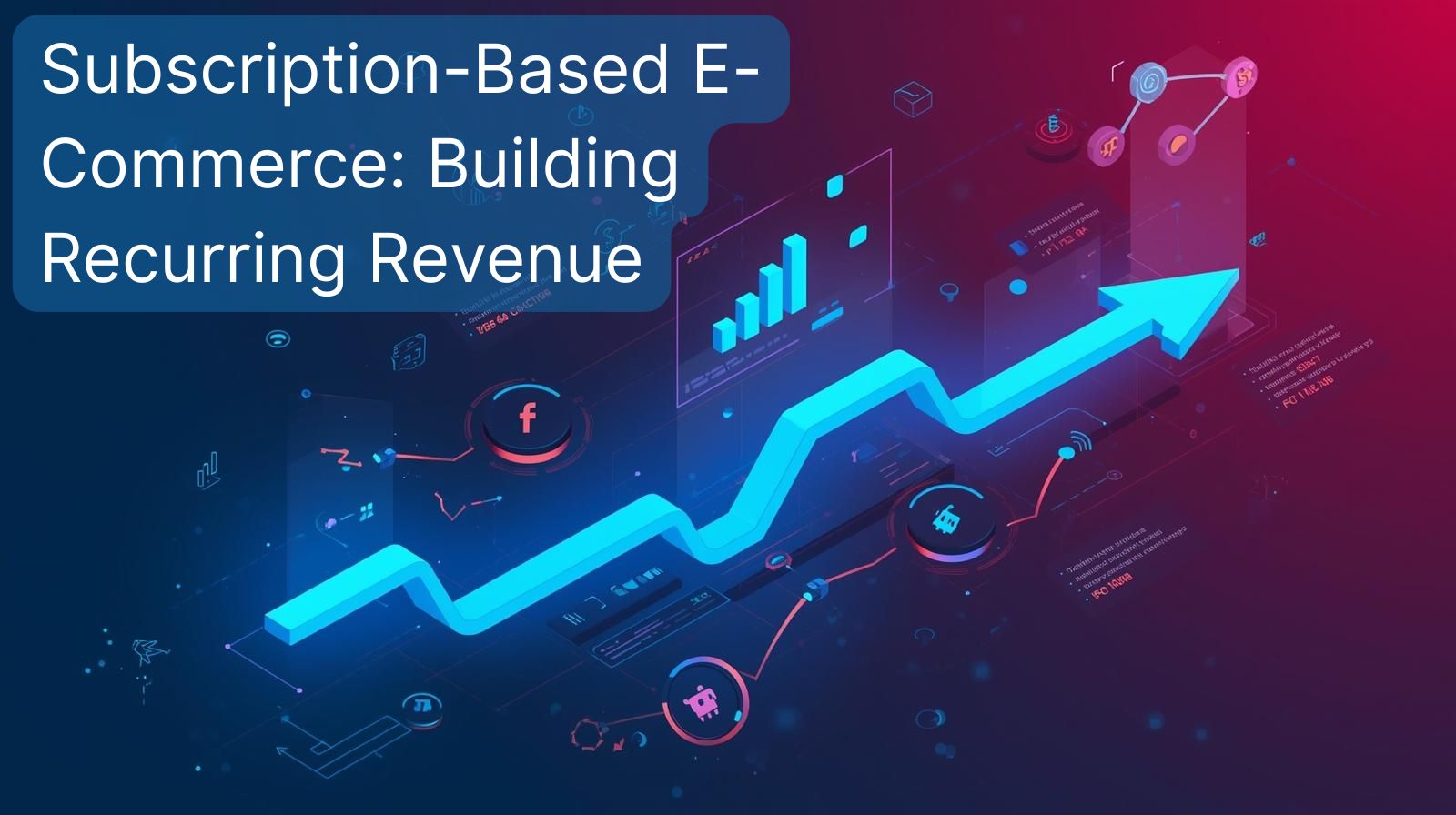
Imagine being able to predict your revenue next month, even next quarter, with remarkable accuracy. While traditional ecommerce is a rollercoaster of marketing spikes and quiet periods, a new model offers a path to stability and growth. This model is subscription ecommerce. But is this celebrated approach the right fit for every online store subscription? Beyond the hype of predictable income lies a complex operational reality. This article cuts through the noise, presenting a balanced case for and against the subscription ecommerce model to help you, the decision-maker, determine if it's the key to unlocking sustainable growth for your business.
Defining the Subscription Ecommerce Model
Before we dive into the pros and cons, let's establish a clear definition.
At its core, a subscription ecommerce business sells products or services on a recurring basis. Instead of a one-time transaction, customers agree to be charged automatically at regular intervals—monthly, quarterly, or annually—to receive a product or service.
Common examples include:
- Replenishment: Automatically shipping consumable products like razors, coffee, or pet food.
- Curation: Sending a box of personalized, discovery-based items like beauty products, books, or snacks.
- Access: Providing members with ongoing access to exclusive content, services, or perks.
This ecommerce model fundamentally shifts the business focus from customer acquisition to customer retention.
For the Subscription Ecommerce Model
The potential benefits of adopting a subscription ecommerce strategy are powerful and directly address key business challenges.
- Predictable Recurring Revenue: This is the most significant advantage. A base of subscribers creates a reliable monthly cash flow, making financial forecasting, budgeting, and inventory planning far more efficient.
- Increased Customer Lifetime Value (LTV): Subscribers, by nature, have a longer relationship with your brand. This repeated interaction dramatically increases their total value compared to one-time buyers. You gain a customer worth far more over time.
- Enhanced Customer Loyalty and Data Insights: An online store subscription creates a continuous dialogue with your customers. You gain deep insights into their preferences and behaviors, allowing for unparalleled personalization. This constant engagement fosters a strong, loyal community around your brand.
- Reduced Marketing Costs: Acquiring a new customer is significantly more expensive than retaining an existing one. With a subscription model, your focus shifts to keeping happy subscribers, which can lower your overall customer acquisition cost (CAC).
The Drawbacks of the Subscription Ecommerce Model
Despite its appeal, the subscription ecommerce path is not without its hurdles. It demands a different operational mindset.
- The Challenge of Customer Churn: Subscribers can cancel at any time. High churn rates can quickly erode your revenue base. This creates constant pressure to deliver exceptional value and keep customers engaged month after month.
- Complex Logistics and Fulfillment: Managing recurring shipments, inventory for multiple cycles, and timely delivery is operationally complex. This ecommerce model requires robust systems to avoid failures that lead directly to cancellations.
- High Initial Acquisition Costs: While retention is cheaper, acquiring the first subscribers can be expensive. Convincing a customer to commit to a recurring payment is a higher barrier than a single purchase.
- Potential for Subscription Fatigue: Consumers are subscribed to many services. Standing out and proving your value in a crowded market is an ongoing battle. Your online store subscription must be truly indispensable.
How to Choose: 5 Key Questions to Ask
Not every product is suited for a subscription ecommerce model. Before pivoting, ask yourself these critical questions:
- Is my product consumable or does it provide ongoing value? Products that get used up (coffee, skincare) or services that provide continuous value (content, software) are natural fits.
- What is my customer's inherent need for repetition? Does your target audience logically need to repurchase this item regularly?
- Do I have the operational capability to handle recurring fulfillment? Be honest about your logistics, technology, and customer service capacity.
- How will I continuously engage subscribers to prevent churn? Do you have a plan for content, personalization, and community building beyond the product itself?
- What is my unique value proposition in a saturated market? Why should customers choose your Shop Abo over a competitor's or a one-time purchase alternative?
The Smart Middle Ground: A Hybrid Approach
You don't always have to go "all-in." A hybrid ecommerce model can be the most strategic choice. Many successful businesses combine one-time purchases with an online store subscription option.
- Offer a "Subscribe & Save" discount for customers who want the convenience of automatic replenishment.
- Sell products individually while providing a curation box subscription for those seeking discovery.
- This approach allows you to test the subscription waters, build predictable revenue, and cater to both one-time and recurring customers without alienating either segment.
Conclusion
The subscription ecommerce model is a powerful engine for building recurring revenue and fostering customer loyalty, but it's not a one-size-fits-all solution. It excels for products with natural repetition and businesses equipped for the operational demands. For consumable goods and services with inherent ongoing value, it's often a game-changer. For unique, one-off, or non-essential items, a hybrid model or a traditional approach may be more prudent. The key is to align the model with your product's nature and your operational strengths.
CTA: Ready to transform your e-commerce revenue model? 👉 Book your free strategy session with our experts at Digital Solution Lab today. Let's find your solution together.